Innovative AI design ideas to transform your home interior
Innovative AI design ideas to transform your home interior

TL;DR:
- AI simplifies interior design by providing fast, customized space visualization for homeowners.
- It offers tools for experimenting with colors, layouts, and materials across all rooms.
- AI empowers DIY homeowners to make confident, budget-friendly renovation decisions with realistic previews.
Most homeowners hit a wall at some point. The living room feels dated, the kitchen looks tired, and every Pinterest board starts to blur together. Finding fresh, personalized design inspiration used to mean hiring a designer or spending hours flipping through magazines. AI has changed that completely. Today, tools powered by artificial intelligence can analyze your actual space, suggest tailored ideas, and show you realistic previews in under 30 seconds. Whether you are planning a full renovation or just want to refresh a single room, AI-driven design ideas give you a creative edge that was once reserved for professionals.
Table of Contents
- How AI shapes interior design: Criteria and selection framework
- Top AI-powered design ideas for living rooms
- AI-inspired kitchen and bathroom redesigns
- Bedroom and workspace transformations with AI
- Comparing top AI design tools for home interiors
- Why DIY renovators should rethink AI-driven design
- Explore AI-powered design tools with VibeMyFlat
- Frequently asked questions
Key Takeaways
| Point | Details |
|---|---|
| AI personalizes design | AI tools deliver tailored interior ideas by analyzing individual room photos and décor preferences. |
| Risk-free experimentation | Homeowners can preview bold styles and layouts virtually before making changes, reducing renovation mistakes. |
| Room-specific solutions | AI-powered options help optimize layouts and décor for every space, from living rooms to workspaces. |
| Tool selection matters | Choosing the right AI design tool ensures compatibility, ease of use, and realistic visual results. |
How AI shapes interior design: Criteria and selection framework
Before you start uploading photos and generating design ideas, it helps to understand what separates a genuinely useful AI design tool from one that just looks impressive in a demo. Not all tools are built the same, and knowing what to look for saves you time and frustration.
The best AI design solutions do more than slap a new paint color on your wall. They assess room lighting, existing furniture layout, proportions, and current décor trends to generate ideas that actually fit your space. AI tools streamline interior visualization by generating instant design previews that reflect real-world conditions, not just generic templates.
When evaluating any AI design tool, keep these criteria in mind:
- Ease of use: Can you describe what you want in plain language, or do you need technical skills?
- Style flexibility: Does the tool cover a wide range of aesthetics, from minimalist to maximalist?
- Photo accuracy: How well does the AI read your actual room dimensions, lighting, and existing elements?
- Material integration: Can it preview real materials like specific tile brands, fabric textures, or countertop finishes?
- Speed: Does it deliver results fast enough to support quick, iterative decision-making?
These criteria matter because design decisions are rarely made once. You will want to test multiple options before committing. Exploring the full range of types of interior redesign ideas available through AI tools helps you understand which direction suits your taste and budget.
Pro Tip: Use an AI photo editor to preview a renovation before you buy a single paint can. Upload your current room photo, describe the change you want, and evaluate the result. It costs nothing and removes the guesswork entirely.
The strongest tools also learn from your preferences over time. If you consistently choose warm tones and natural materials, a good AI platform will start weighting those preferences in future suggestions. That kind of personalization is what makes AI genuinely different from a mood board generator.
Top AI-powered design ideas for living rooms
The living room is usually the first space people want to transform, and it is also where AI design tools deliver some of their most dramatic results. Small tweaks to furniture placement or wall color can completely change how a room feels, and AI makes it easy to test those changes before moving a single piece of furniture.
AI technology enables rapid visualization of furniture arrangements and color schemes, giving you a realistic sense of how a redesigned space will look and feel. That means you can experiment freely without any real-world consequences.
Here are the most popular AI-driven living room ideas homeowners are using right now:
- Furniture placement optimization: AI analyzes your floor plan and suggests arrangements that improve flow and maximize space, especially useful in smaller rooms.
- Personalized mood boards: Upload photos of your current space and describe your desired vibe. The AI generates a curated visual concept that blends your existing pieces with new suggestions.
- Virtual color swaps: Test bold accent walls, trim colors, or full room repaints instantly.
- Lighting scenario previews: See how your room looks under warm, cool, or layered lighting before buying a single fixture.
- Style mashups: Combine two aesthetics, like Scandinavian and industrial, and preview how they interact in your specific room.
“AI gives homeowners the power to test bold styles without risk.”
The mood board feature is particularly underrated. Instead of browsing generic stock images, you get a visual concept built around your actual furniture and room dimensions. You can transform with AI by starting with one small change and building outward from there.
Pro Tip: Experiment with virtual color swaps at different times of day. A color that looks stunning in bright afternoon light may feel oppressive by evening. AI tools that simulate daylight shifts give you a much more accurate preview.
For a deeper look at getting the most from your room photos, the photo editing guide for DIY enthusiasts walks you through the exact steps to capture and upload images that produce the best AI results.
AI-inspired kitchen and bathroom redesigns
Kitchens and bathrooms are the two rooms where renovation costs climb fastest, which makes AI previewing especially valuable here. A mistake in either space can mean thousands of dollars wasted on materials you end up disliking.
For kitchens, the most requested AI upgrades include smart appliance placement, backsplash visualization, and lighting reconfiguration. AI can show you how a subway tile backsplash looks versus a bold geometric pattern, or whether moving your refrigerator to the opposite wall actually improves traffic flow. AI editors deliver reliable previews of countertop materials and cabinet layouts, helping you make confident choices before ordering anything.

For bathrooms, AI shines in tile pattern selection and shower or bath layout optimization. You can test whether a walk-in shower makes your bathroom feel larger or whether a freestanding tub is realistic given your square footage.
Here is a breakdown of top AI features for these spaces:
- Backsplash and tile pattern previews with realistic texture rendering
- Cabinet color and finish swaps (matte, gloss, natural wood)
- Countertop material comparisons (quartz, marble, butcher block)
- Lighting placement suggestions for task and ambient zones
- Fixture style matching (modern, farmhouse, transitional)
| Feature | Efficiency impact | Visual preview quality |
|---|---|---|
| Backsplash visualization | High | Excellent |
| Cabinet layout planning | High | Very good |
| Countertop material preview | Medium | Excellent |
| Lighting reconfiguration | Medium | Good |
| Fixture style matching | Low | Very good |
Using quick AI steps to test kitchen and bathroom ideas before hiring a contractor can save you from costly change orders mid-project. It is one of the most practical applications of AI in home renovation.
Bedroom and workspace transformations with AI
Bedrooms and home offices are deeply personal spaces, and that is exactly where AI personalization becomes most powerful. These rooms need to work for you specifically, not just look good in a photo.
AI helps optimize layouts for sleep and productivity, customizing room ambiance and décor to match individual needs and routines. For bedrooms, that might mean testing blackout curtain colors, adjusting the position of the bed relative to windows, or previewing soft lighting setups that support better sleep.
For workspaces, the priorities shift toward focus and energy. AI tools can suggest desk placement that minimizes glare, color schemes proven to support concentration, and ergonomic furniture arrangements that reduce fatigue during long work sessions.
Popular AI-driven ideas for these spaces include:
- Curtain and blind options that balance natural light and privacy
- Bed placement alternatives to improve morning light and airflow
- Accent wall colors calibrated to promote calm or energy
- Desk and shelving configurations for small home offices
- Rug and texture layering to add warmth without clutter
| Room type | Top AI recommendation | User benefit |
|---|---|---|
| Bedroom | Lighting and curtain optimization | Better sleep quality |
| Bedroom | Furniture layout alternatives | Improved space flow |
| Workspace | Desk placement for glare reduction | Higher focus and comfort |
| Workspace | Productivity-focused color schemes | Reduced mental fatigue |
For a user-friendly editing experience that covers both bedrooms and workspaces, look for tools that allow natural language input. Describing what you want in plain words, rather than adjusting sliders, produces faster and more intuitive results.
Comparing top AI design tools for home interiors
With so many AI design tools available, choosing the right one depends on your specific project and how you like to work. AI tools vary in style presets, usability, and integration flexibility with real-life home photos, so a tool that works brilliantly for a living room refresh may feel limited when applied to a full kitchen remodel.
Here is a quick comparison of what to look for:
- Style range: Does the tool cover the aesthetics you actually like, or is it limited to a few generic presets?
- Ease of use: Can a non-designer operate it confidently, or does it require a learning curve?
- Photo compatibility: Does it work well with standard smartphone photos, or does it need professional-quality images?
- Price: Is there a free tier for testing, and does the paid plan offer enough features to justify the cost?
- Integration: Can it pull in real product catalogs so you can shop directly from your design preview?
For most homeowners and DIY renovators, the best tool is the one you will actually use consistently. A feature-heavy platform that feels confusing will slow you down, while a simple, fast tool you return to daily will produce far better results over time.
If you are evaluating specific platforms, reviewing aiHomeEditor alternatives gives you a side-by-side look at how leading tools compare on the criteria that matter most. Match the tool to your project size. A single room refresh needs a different solution than a whole-home renovation.
Why DIY renovators should rethink AI-driven design
Here is something we have noticed: most homeowners use AI tools to confirm what they already planned. They upload a photo, test the safe beige they were already leaning toward, feel validated, and move on. That is not a bad outcome, but it completely misses the point.
The real power of AI design tools is that they remove the cost of being wrong. When a bold idea has zero financial risk, there is no reason not to try it. Test the dark green kitchen cabinets. Preview the exposed brick accent wall. See what happens when you transform your space with AI in a direction that genuinely surprises you.
“The best spaces aren’t just algorithm-approved, they’re human-inspired by technology.”
AI is not here to make your home look like everyone else’s feed. It is here to give you the confidence to go further than you would have gone alone. The most memorable interiors come from homeowners who used AI as a creative partner, not a safety check.
Explore AI-powered design tools with VibeMyFlat
You now have a clear picture of what AI can do for every room in your home. The next step is seeing it work on your actual space.
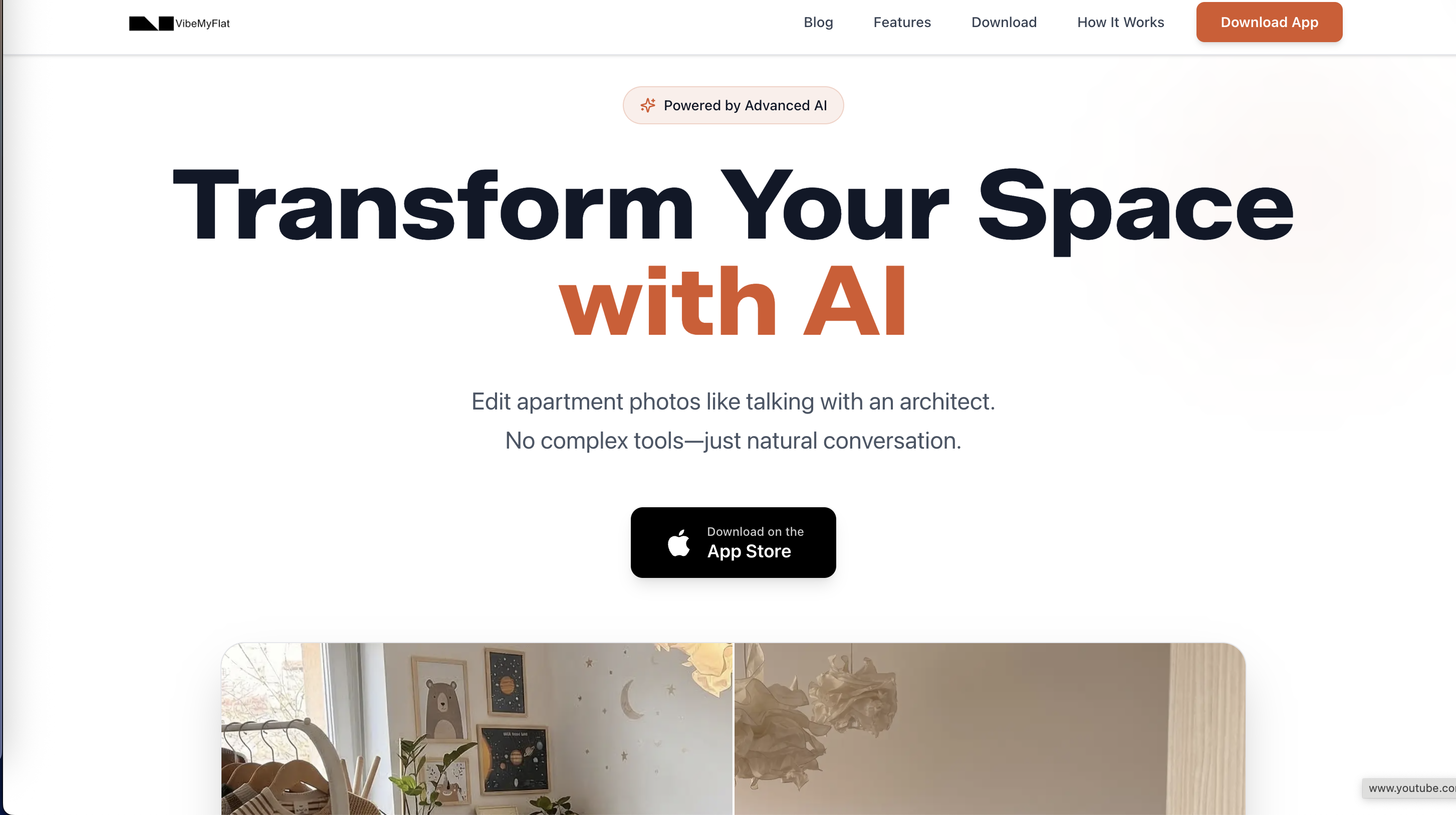
VibeMyFlat’s AI photo editor lets you upload a photo of any room, describe the change you want in plain language, and receive a realistic, professional-quality preview in under 30 seconds. No design experience needed. No complicated software to learn. From living rooms to home offices, the platform covers every space with curated guides and instant editing tools. Try it free and see exactly what your home could look like before you spend a single dollar on renovations.
Frequently asked questions
How do AI tools personalize interior design recommendations?
AI tools analyze your room photos, layout, and stated preferences to generate tailored suggestions. AI generates personalized mood boards and previews built around your actual space, not generic templates.
Can AI help with budget-friendly interior renovations?
Yes, AI lets you test affordable design options virtually before spending anything. AI tools streamline design visualization for budget-conscious renovators, helping you avoid costly mistakes.
What makes AI photo editors useful for DIY renovators?
AI editors let DIY renovators preview detailed room changes and new décor schemes instantly, without any professional help. AI editors deliver reliable previews for kitchen, bathroom, and bedroom layouts.
How accurate are AI-generated design previews?
Most quality AI tools offer realistic visuals by integrating room lighting and layout accurately, though results vary by platform. AI tools vary in visual accuracy and integration flexibility for home photos.
Are there risks in relying on AI for design decisions?
AI tools are excellent for inspiration and visualization, but always verify major choices with a professional before executing structural or costly changes. AI offers visual previews but final decisions should incorporate human judgment.