Lighting adjustment tips for photos to enhance interiors
Lighting adjustment tips for photos to enhance interiors
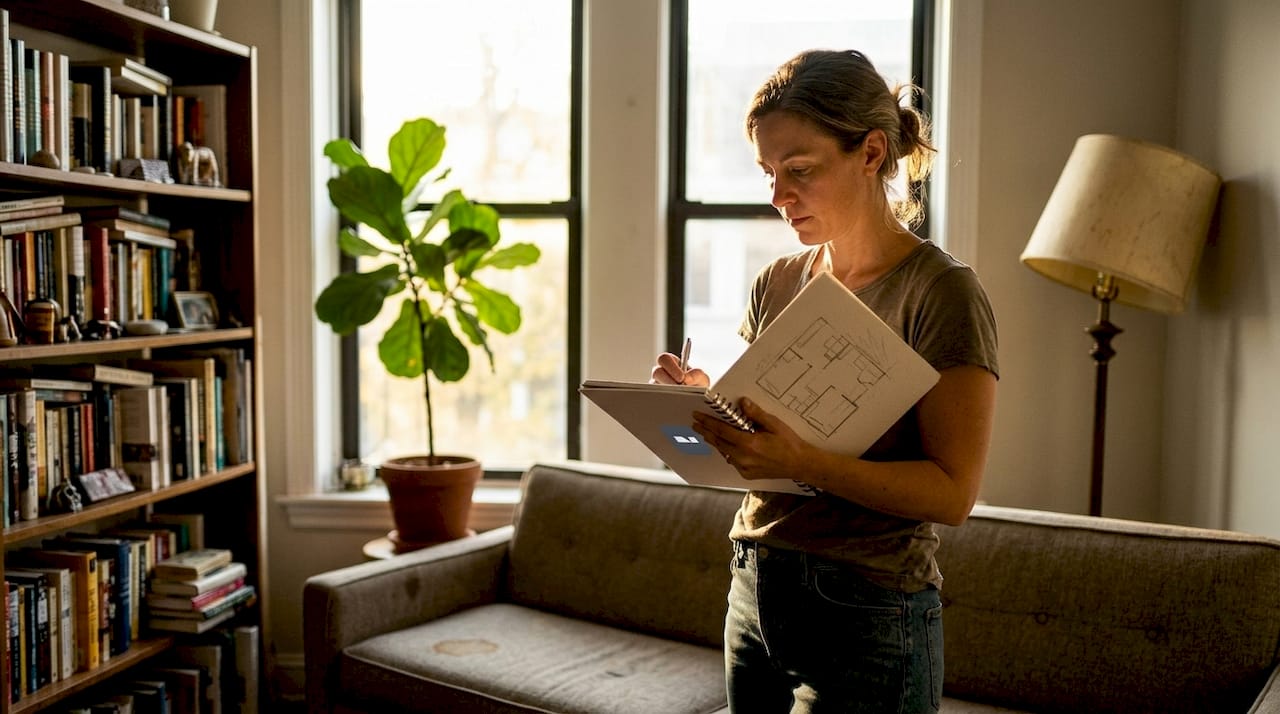
Capturing beautiful interior photos can feel frustrating when lighting ruins your shots. Poor illumination creates harsh shadows, washes out colors, and makes rooms look uninviting. Whether you’re documenting a renovation, creating social media content, or listing your home, mastering lighting adjustments transforms amateur snapshots into professional-quality images. This guide delivers practical, expert-backed techniques to control natural and artificial light sources effectively. You’ll learn positioning strategies, DIY solutions, and equipment choices that elevate your interior photography without expensive gear or technical expertise.
Table of Contents
- Key takeaways
- How to evaluate lighting conditions and plan your setup
- Using natural window light effectively in your interior photos
- Controlling artificial and fill light in small or challenging rooms
- Choosing and comparing lighting tools: DIY reflectors, softboxes, and LED panels
- Enhance your interior photos with VibeMyFlat
- FAQ
Key Takeaways
| Point | Details |
|---|---|
| Planning and mapping | Identify every light source and sketch subject positioning to anticipate shadows and plan where to place reflectors or diffusers. |
| 45 degree window light | Position window light at a 45 degree angle to your subject to create natural depth and dimension. |
| DIY diffusion and fill | Foam boards, bedsheets, and aluminum foil can fill shadows and soften light without expensive gear. |
| Reflector choices | White reflectors provide the most pleasing results for interior shots, while silver can offer stronger fill but may create harsh highlights if overused. |
How to evaluate lighting conditions and plan your setup
Successful interior photography starts before you press the shutter button. Walking through your space and mapping light sources prevents costly mistakes and saves hours of editing later. Identify every window, lamp, and overhead fixture, noting their color temperature and intensity throughout different times of day.
Create a simple sketch showing your subject position relative to light sources. This visual planning tool helps you anticipate shadow patterns and determine where reflectors or diffusers will make the biggest impact. Prioritize preparation over improvisation, as mapping lights with sketches contributes to 80% of shooting success.
Assess problem areas where competing light sources create color casts or where dark corners swallow detail. Mark these zones on your sketch and plan solutions, whether that means blocking certain windows with blackout material or adding fill light. Consider the time of day when natural light will be most favorable for your shoot.
Pro Tip: Take test shots at different times to document how natural light changes throughout the day in your space, then schedule your main shoot during the optimal window.
Gather your light modifiers in advance. Foam boards, bedsheets, and aluminum foil can serve as effective reflectors and diffusers when positioned strategically. Having these tools ready eliminates the temptation to skip preparation steps when you’re eager to start shooting. Planning your interior design photo editing workflow ahead of time also ensures you capture the right exposures for post-processing adjustments.
Using natural window light effectively in your interior photos
Window light remains the most flattering and accessible light source for interior photography. Position your window light at a 45-degree angle to your subject to create natural depth and dimension. This classic setup mimics how we naturally perceive faces and objects, producing images that feel comfortable and professional.
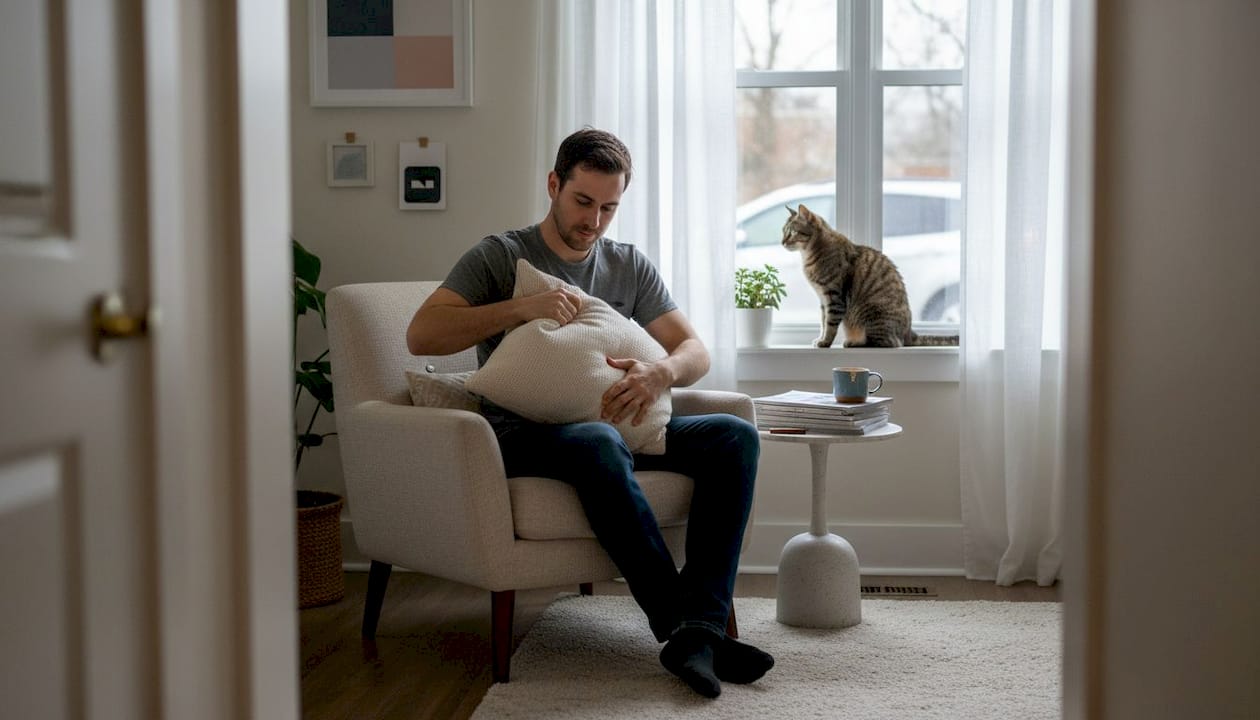
Bouncing window light with reflectors fills shadows without introducing harsh secondary light sources. White foam boards create soft, subtle fill that maintains the natural quality of window light. Position your reflector opposite the window at varying distances to control fill intensity. Closer placement produces brighter fill, while moving it back creates gentler shadow transitions.
Silver reflectors deliver stronger fill from greater distances, making them ideal when space constraints prevent close positioning. However, silver surfaces can create specular highlights that look unnatural, so use them sparingly. For most interior shots, white reflectors provide the most pleasing results.
Natural window light offers unmatched color accuracy and softness, but its direction and intensity change constantly throughout the day, requiring adaptability.
Window light has limitations you must work around. Overcast days provide beautifully diffused light but may lack sufficient intensity for proper exposure. Bright sunny days create harsh shadows that require careful diffusion. Home lighting with shutters allows precise control over light direction and intensity, giving you flexibility to shape illumination.
Pro Tip: Hang a white bedsheet over your window as an instant diffuser when direct sunlight creates overly harsh shadows, transforming hard light into soft, flattering illumination.
Balance your exposure for the window light, ensuring your subject receives proper illumination while preventing blown-out highlights in the window itself. This often requires bracketing exposures or using photo editing for interior lighting to recover detail in both highlights and shadows during post-processing.
Controlling artificial and fill light in small or challenging rooms
Small rooms present unique lighting challenges that require strategic problem-solving. Competing overhead lights create cluttered shadow patterns that confuse the eye and flatten your subject. Switch off ceiling fixtures and lamps that don’t contribute to your primary lighting setup, giving you clean control over light direction.
Pull your subject away from walls to create separation and prevent light spill from bouncing back onto shadow areas. Even 2-3 feet of space makes a dramatic difference in how light wraps around your subject and how shadows define form.
Negative fill adds sophistication to small-room lighting by controlling where light doesn’t go. Black foam board or dark fabric positioned on the shadow side of your subject absorbs stray light that would otherwise fill in shadows. This technique restores contrast and dimension that tight spaces naturally eliminate.
Position your key light at 45 degrees above eye level and 45 degrees to the side of your subject for the most flattering illumination. This creates the classic Rembrandt lighting pattern that photographers have relied on for centuries.
Setting up artificial lighting in small rooms:
- Turn off all competing light sources including overhead fixtures
- Position your subject 2-3 feet from the nearest wall
- Place key light at 45-degree angle above and beside subject
- Add negative fill opposite key light using black foam board
- Test exposure and adjust light distance for proper intensity
- Fine-tune shadow depth by moving negative fill closer or farther
| Room size | Key light distance | Negative fill distance | Recommended modifier |
|---|---|---|---|
| 8x10 feet | 4-5 feet | 2-3 feet | Small softbox (24") |
| 10x12 feet | 5-6 feet | 3-4 feet | Medium softbox (32") |
| 12x15 feet | 6-8 feet | 4-5 feet | Large softbox (40"+) |
Pro Tip: In extremely tight spaces, bounce your key light off the ceiling rather than pointing it directly at your subject to create softer, more flattering illumination without harsh shadows.
Color temperature consistency matters enormously in small rooms where mixed lighting becomes obvious. Ensure all artificial lights match in color temperature, typically 5000-5500K for daylight-balanced shooting. Updating kitchen lighting to consistent color temperatures eliminates the green or orange color casts that plague interior photos. Test your interior lighting adjustments with sample shots before committing to a full shoot.
Choosing and comparing lighting tools: DIY reflectors, softboxes, and LED panels
Understanding your equipment options helps you invest wisely and achieve professional results within your budget. DIY reflectors represent the most accessible starting point for improving your lighting. Foam board reflectors cost $5-25 depending on size, while foil-covered cardboard serves as an emergency solution when you need stronger fill.
Reflector size directly impacts light quality. Larger reflectors (30-40 inches) create softer, more flattering light by spreading illumination across a broader area. Smaller reflectors produce more focused fill that can look harsh if positioned incorrectly. White surfaces deliver neutral, subtle fill suitable for most situations, while silver surfaces provide stronger, more directional fill.
DIY reflector materials and characteristics:
- White foam board: Soft, neutral fill; widely available; lightweight and portable
- Aluminum foil on cardboard: Strong, directional fill; creates specular highlights; free using household materials
- White bedsheets: Large, diffused fill; doubles as light diffuser; extremely affordable
- Poster board: Compact, easy to store; less durable than foam board; good for travel
Professional lighting tools offer consistency and control that DIY solutions can’t match. Softboxes and LED panels with CRI 95+ produce even illumination without hotspots and render natural skin tones that bare bulbs cannot achieve. Testing shows these tools eliminate the color shifts and harsh shadows that plague budget lighting setups.
| Tool type | Cost range | Light quality | Portability | Best use case |
|---|---|---|---|---|
| DIY foam reflector | $5-25 | Soft, natural | Excellent | Filling shadows with window light |
| Silver reflector | $15-40 | Strong, directional | Excellent | Distance fill or outdoor bounce |
| LED panel (CRI 95+) | $80-300 | Even, accurate color | Good | Consistent artificial key light |
| Softbox kit | $150-500 | Very soft, flattering | Fair | Studio-quality portraits and products |
Investing in quality lighting tools pays dividends through consistent results and reduced editing time, but mastering technique with basic equipment builds essential skills that translate to any gear.
Softbox size follows the same principle as reflectors: larger sources create softer light. A 40-inch softbox positioned close to your subject produces the most flattering results for portraits and interior details. Smaller softboxes work well for accent lighting or when space is limited.
Pro Tip: Test your lighting setup by photographing a white wall; even illumination without bright spots or dark patches indicates proper positioning and modifier choice.
LED panels offer advantages over traditional tungsten or fluorescent lights through adjustable color temperature and consistent output. Look for panels rated at CRI 95 or higher to ensure accurate color rendering. Lower CRI values introduce color casts that require extensive correction during lighting equipment comparison and editing workflows.
Enhance your interior photos with VibeMyFlat
Mastering lighting technique during shooting gives you the best possible foundation for stunning interior photos. Taking your images to the next level often requires smart post-processing to refine lighting balance, adjust color temperature, and enhance ambiance.
VibeMyFlat’s AI photo editor app for interior design complements your lighting efforts by intelligently adjusting exposure, color balance, and atmosphere with simple natural language commands. Whether you need to brighten shadowy corners, warm up cool lighting, or enhance the overall mood, the AI understands design principles and delivers professional results in under 30 seconds. Homeowners without technical editing skills can achieve magazine-quality photos by combining practical lighting techniques with smart digital enhancement. The platform works seamlessly across devices, letting you edit on your phone immediately after shooting or refine images on your computer later. By pairing the lighting adjustment strategies you’ve learned with powerful interior design photo editing tools, you’ll consistently produce interior photos that showcase your space at its absolute best.
FAQ
What’s the best position to place natural light for interior photos?
Place your window light at approximately a 45-degree angle to your subject for optimal depth and dimension. This positioning avoids flat lighting while creating pleasing shadows that define form and add visual interest to your photos.
Can I use DIY reflectors for professional-looking photos?
Yes, white foam boards or foil-covered cardboard make highly effective reflectors that rival expensive commercial options. They softly fill shadows and improve lighting quality without costly equipment, making professional results accessible to any budget.
How do I control lighting in small rooms to avoid flat images?
Turn off competing overhead lights to eliminate unwanted spill and cluttered shadows. Use negative fill like black foam board positioned on the shadow side of your subject to absorb stray light and restore the contrast that creates dimension.
What lighting tools produce the most natural skin tones?
Softboxes and LED panels rated at CRI 95 or higher produce even, color-accurate lighting that renders natural skin tones. These tools eliminate the hotspots and harsh shadows common with bare bulbs, while maintaining accurate color throughout the frame.