Lighting ideas for homes: your guide to perfect layers
Lighting ideas for homes: your guide to perfect layers
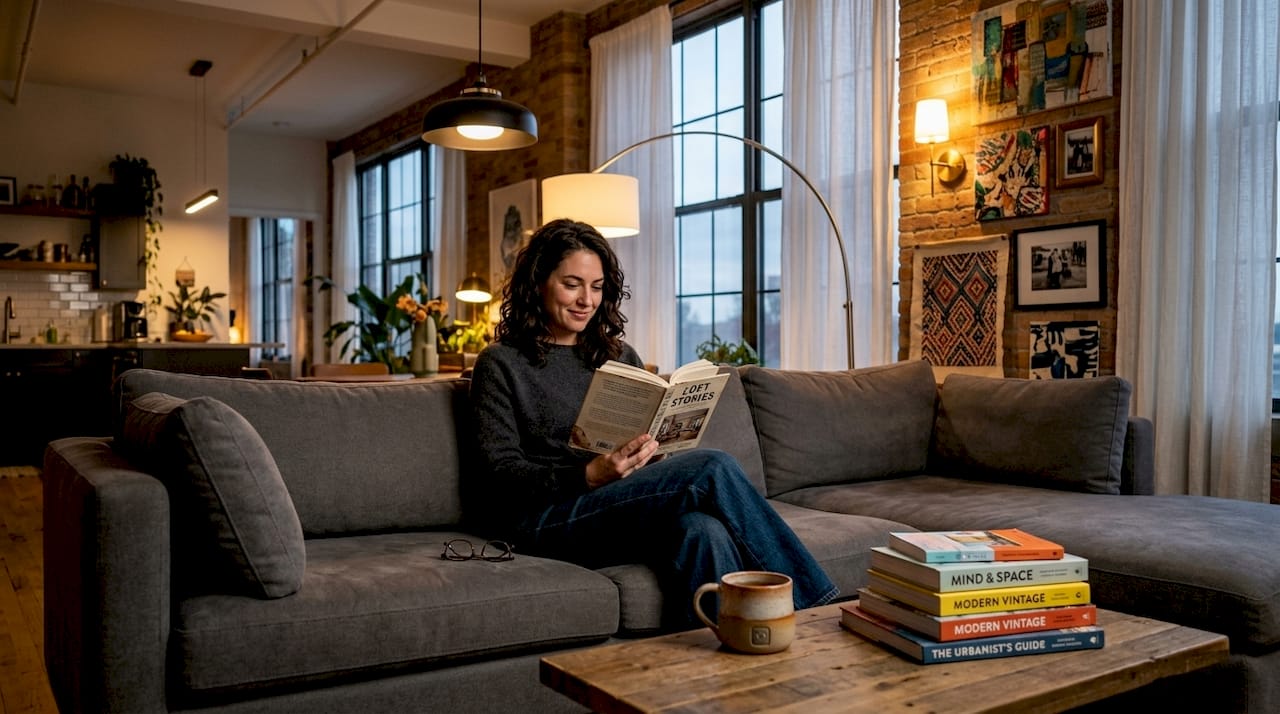
TL;DR:
- Effective home lighting relies on layering ambient, task, and accent sources to create warmth and depth. Proper fixture placement, dimmable LEDs, and consistent color temperature enhance functionality and mood. Visualizing lighting setups with tools like VibeMyFlat ensures optimal design choices before installation.
Choosing the right lighting for your home is harder than it looks. Most people buy a ceiling fixture, flip the switch, and wonder why the room feels flat or cold. The truth is that great lighting ideas for homes aren’t about finding one perfect bulb or fixture. They’re about understanding how light layers work together to create warmth, depth, and function. This guide walks you through every layer, from ambient to accent, and gives you a room-by-room plan to transform your spaces without guesswork.
Table of Contents
- Understand essentials: the key criteria for home lighting
- Top lighting ideas: ambient lighting styles and fixtures
- How to pick and place task lighting for function and comfort
- Accent lighting ideas: showcasing features and creating mood
- Comparing lighting options: choosing what fits your home best
- Lighting strategies by room: practical setup ideas
- Rethinking home lighting: balancing style and everyday use
- Elevate your home ambiance with expert lighting solutions
- Frequently asked questions
Key Takeaways
| Point | Details |
|---|---|
| Layered lighting system | Combining ambient, task, and accent lights creates versatile and inviting home environments. |
| Warm color temperature | Choosing bulbs between 2700K and 3000K ensures a cozy, welcoming atmosphere without harshness. |
| Multiple light sources | Using at least two to three different lights per room avoids flat and uncomfortable lighting. |
| Dimmable and adjustable fixtures | Dimmers and adjustable lamps allow you to tailor lighting mood and function throughout the day. |
| Thoughtful placement | Positioning lights at different heights and zones improves depth and usability in every room. |
Understand essentials: the key criteria for home lighting
Before you buy a single fixture, you need a decision framework. Good apartment lighting tips start with understanding three core concepts: layering, color temperature, and brightness targets.
Layered lighting means stacking multiple light sources that serve different purposes. Layered lighting combines ambient, task, and accent light to create inviting rooms, and at least two layers are recommended in every space. Rely on one source alone and you get either a cave or an interrogation room.
Color temperature is measured in Kelvins (K). Lower numbers are warmer (think candlelight), higher numbers are cooler (think fluorescent office). Warm temperatures below 3000K help prevent rooms from feeling visually cold and promote a welcoming atmosphere. For most living spaces, aim for the 2400K to 3000K range.
Brightness targets vary by room. A kitchen needs more light than a bedroom at night. Each room should have 2 to 3 different light sources to avoid flat, harsh lighting.
Key lighting principles to guide your choices:
- Ambient light provides the base layer of general illumination across the room
- Task light focuses brightness where you need to see and work clearly
- Accent light draws attention to specific features, textures, or zones
- Dimmers are non-negotiable for any fixture you want real flexibility from
- Color temperature should stay consistent within a room to avoid visual clutter
Pro Tip: Before buying anything, walk through your home at night with a flashlight. Notice which areas feel dark, which feel harsh, and where you naturally want to sit. That instinct is your lighting plan.
Top lighting ideas: ambient lighting styles and fixtures
Ambient lighting is your foundation. Get it wrong and no amount of accent lamps will save the room. Ambient lighting typically sits overhead with warmth around 2700K to 3000K, providing the base glow for the room.

The three most practical ambient options for homes are chandeliers, pendant lights, and recessed downlights. Each one brings something different to the space. A chandelier over a dining table doesn’t just light the room. It defines it. A cluster of pendant lights in a kitchen creates zones and adds personality. Recessed downlights spread light evenly but can feel clinical if they’re the only source.
Chandeliers and pendants anchor rooms with a soft, even glow and should be dimmable for mood control. That last part matters more than most people realize. A dimmer turns one fixture into two: a bright working light and a soft evening glow.
What to keep in mind when choosing ambient fixtures:
- Match fixture scale to room size. A small pendant in a large living room disappears
- Choose dimmable LED bulbs rated 2700K to 3000K for warmth and energy savings
- In open-plan spaces, use multiple ambient sources to anchor each zone separately
- Avoid positioning a single recessed fixture directly in the center of the ceiling as the sole light source
Pro Tip: For a dining area, hang your pendant low enough that the bottom sits roughly 30 to 36 inches above the tabletop. Too high and it reads as a ceiling light. At the right height, it becomes the room’s focal point.
This interior design guide breaks down how fixture choices interact with your overall room design if you want to go deeper on coordination.
How to pick and place task lighting for function and comfort
Task lighting is where most homeowners make the biggest mistake. They skip it entirely and assume ambient light covers everything. It doesn’t. Reading under a warm chandelier will strain your eyes within twenty minutes.
Task lighting should be bright at 3000K to 4000K and positioned to avoid glare and shadows, often using adjustable fixtures like swing-arm sconces or desk lamps. The slightly cooler temperature here is intentional. It sharpens focus without blinding you.
Adjustable heads and arms help isolate light where needed and reduce eye strain for reading or work. Under-cabinet lighting in a kitchen is the clearest example of this. Without it, you’re chopping vegetables in the shadow of your own arms. With it, the prep area becomes genuinely functional.
Smart placement choices for task lighting:
- Kitchen: LED strip lights or puck lights mounted under upper cabinets, aimed at the countertop
- Home office: A desk lamp positioned to your non-dominant side reduces hand shadows on your work surface
- Bedside: Swing-arm wall sconces free up nightstand space and let you aim light precisely at your book
- Bathroom vanity: Side-mounted sconces at face height beat overhead lights every time for shadow-free grooming
These task and ambient lighting tips cover even more placement strategies worth bookmarking.
Pro Tip: Give task lights their own switch or dimmer, independent of the ambient layer. This is the single change that makes the biggest difference in daily usability.
Accent lighting ideas: showcasing features and creating mood
Accent lighting is where your personality shows. It’s what makes a room feel curated rather than simply lit. Accent lighting sits at 2400K to 2700K and highlights objects or areas to create visual hierarchy and atmosphere.
Wall sconces beside a piece of art, a floor lamp in a dark corner, a picture light above a gallery wall. These sources don’t illuminate the room. They direct your eye and create warmth in places overhead fixtures simply can’t reach.
Wall sconces with diffused opaque shades produce flattering, soft light that enhances mood and texture. This is why designers consistently recommend avoiding clear glass shades in living areas. You see the bulb, not the light, and the glare kills the atmosphere.
| Fixture type | Best use | Light quality | Flexibility |
|---|---|---|---|
| Table lamp | Corner warmth, bedside reading | Soft, diffused | High, easily moved |
| Wall sconce | Hallways, flanking artwork or mirrors | Directional or diffused | Low, fixed position |
| Picture light | Illuminating artwork or shelving | Focused, narrow beam | Medium, adjustable angle |
| Floor lamp | Dark corners, reading areas | Wide or upward wash | High, easily repositioned |
Accent lighting tips that actually improve a room:
- Use at least two accent sources per room to avoid a single “spotlight” effect
- Place floor lamps in corners to bounce light off walls and create perceived depth
- Choose shades in linen, paper, or frosted glass for softer, more flattering diffusion
- Group table lamps in odd numbers for a more natural, collected look
These accent lighting tips go further on layering accent sources with your existing setup.
Pro Tip: An upward-facing floor lamp placed behind a sofa bounces light off the ceiling and makes a low-ceilinged room feel significantly taller.
Comparing lighting options: choosing what fits your home best
Now that you understand each layer individually, here’s how they stack up against each other and why no single type works alone.
Layered lighting systems offer the greatest flexibility, adaptability, and warmth when combining multiple light types. That’s not a design opinion. It’s the practical reality of how human eyes and moods respond to light.
| Layer | Color temperature | Primary purpose | Works alone? |
|---|---|---|---|
| Ambient | 2700K to 3000K | General illumination | Technically yes, but feels flat |
| Task | 3000K to 4000K | Focused work areas | No, creates harsh contrast |
| Accent | 2400K to 2700K | Mood and highlights | No, too dim overall |
| Combined layers | 2400K to 4000K | Full flexibility | Yes, this is the goal |
Benefits of building all three layers:
- Adjust brightness and mood without changing fixtures
- Eliminate shadows in work areas while keeping social zones warm
- Create visual interest and perceived depth in flat or small rooms
- Reduce eye fatigue by matching light quality to activity
Explore these interior enhancement tips for more on combining light with other design choices.
Lighting strategies by room: practical setup ideas
Here’s where the theory becomes a plan. Apply these ideas room by room and you’ll notice the difference the first night.
Each room benefits from at least 2 to 3 light sources with lighting levels and color temperature tailored for function and comfort. IES recommends specific illuminance levels for rooms to meet visual needs and safety, so the brightness targets below aren’t arbitrary.
- Living room: Start with a dimmable ceiling fixture or chandelier at 2700K. Add two floor or table lamps in corners or beside seating. Include a picture light or sconce to highlight a focal wall.
- Kitchen: Recessed downlights at 3000K for general illumination. Under-cabinet LED strips at 3000 to 4000K for task work. A pendant above an island to anchor the space.
- Bedroom: A soft overhead at 2700K on a dimmer. Bedside sconces or lamps at 2700K for reading. A dim accent lamp on a dresser for late-night navigation without waking a partner.
- Bathroom: Vanity sconces at face height, 3000K, on either side of the mirror. A soft overhead for general use. A night light or low-level LED strip at floor level for safety.
- Hallways and entryways: Wall sconces at 2700K spaced evenly create a welcoming path. A pendant or semi-flush at the entry creates a first impression that sets the tone for the whole home.
Additional tips across all rooms:
- Install dimmer switches on every overhead fixture you own
- Use smart bulbs in high-traffic areas to shift color temperature from morning to evening automatically
- Keep spare warm-white LED bulbs in the same Kelvin rating so replacements don’t disrupt your color consistency
This practical lighting guide pairs well with this room-by-room breakdown if you’re planning a full refresh.
Rethinking home lighting: balancing style and everyday use
Here’s something most lighting articles won’t tell you: the fixture is the least important decision you’ll make. Where you put the light, how many independent sources you have, and whether those sources can dim independently matter far more than whether the shade is linen or ceramic.
The most common DIY mistake is choosing fixtures by style alone without considering practical lighting needs across the day. A beautiful pendant that casts a single harsh pool of light is a worse outcome than a basic floor lamp placed thoughtfully in a dark corner.
What experienced designers actually prioritize is placement before purchase. They decide where light needs to land before they decide what the fixture looks like. That shift in sequence changes everything. You stop buying beautiful things that don’t work and start buying functional things that also look good.
The other underrated factor is lighting height and distribution. A fixture hung too high creates a flat wash across the ceiling. One hung at the right level creates warmth at eye level, which is where you actually live. These lighting planning tips dig into height and placement rules worth reading before you drill a single hole.
Smart controls and dimmers are the cheapest renovation you can do. A $30 dimmer switch turns a flat overhead into a flexible tool that serves a morning coffee, a work call, a dinner party, and a late-night wind-down. Most people don’t install them. The ones who do never go back.
Elevate your home ambiance with expert lighting solutions
Getting your lighting right before making changes is exactly where VibeMyFlat becomes genuinely useful. You can describe changes to your space in plain language, and the AI shows you realistic results instantly, including how different lighting setups, fixture placements, and color temperatures would actually look in your specific rooms.

Instead of buying a pendant light and realizing it’s wrong for the space, you can visualize it first. VibeMyFlat processes edits in under 30 seconds, works on any device, and requires zero design software knowledge. Whether you’re testing layered expert home lighting solutions or rethinking your whole interior, it’s the fastest way to get from idea to confident decision. By choosing thoughtfully layered lighting, you transform daily living and bring warmth, style, and function together in your home.
Frequently asked questions
What is layered lighting and why is it important for homes?
Layered lighting combines ambient, task, and accent lights in a room to create versatile, inviting, and functional spaces with depth and warmth. Without at least two layers, rooms tend to feel either flat or harshly lit.
What color temperature should I choose for home lighting?
Warm temperatures below 3000K are ideal for most home spaces, producing a cozy, welcoming atmosphere without a cold or bluish tint. For task areas like kitchens and bathrooms, 3000K to 4000K adds useful clarity.
How many light sources should I have in each room?
2 to 3 different light sources per room help avoid flat or harsh lighting and allow for flexibility depending on activities and mood. More is better as long as each source serves a distinct purpose.
Can I use lamps instead of overhead lights?
Yes. Lamps function as both task and accent lighting and offer adjustable atmosphere and warmth. In many living rooms and bedrooms, a well-placed floor lamp and a couple of table lamps outperform a single overhead fixture on every level.
Why should I avoid clear glass light fixtures in my home?
Opaque or tinted fixtures soften and diffuse light, creating a calmer, more inviting atmosphere. Clear glass exposes the bulb directly, which causes glare and makes the light feel harsh rather than warm.