Modern apartment lighting tips: Enhance ambiance and functionality
Modern apartment lighting tips: Enhance ambiance and functionality
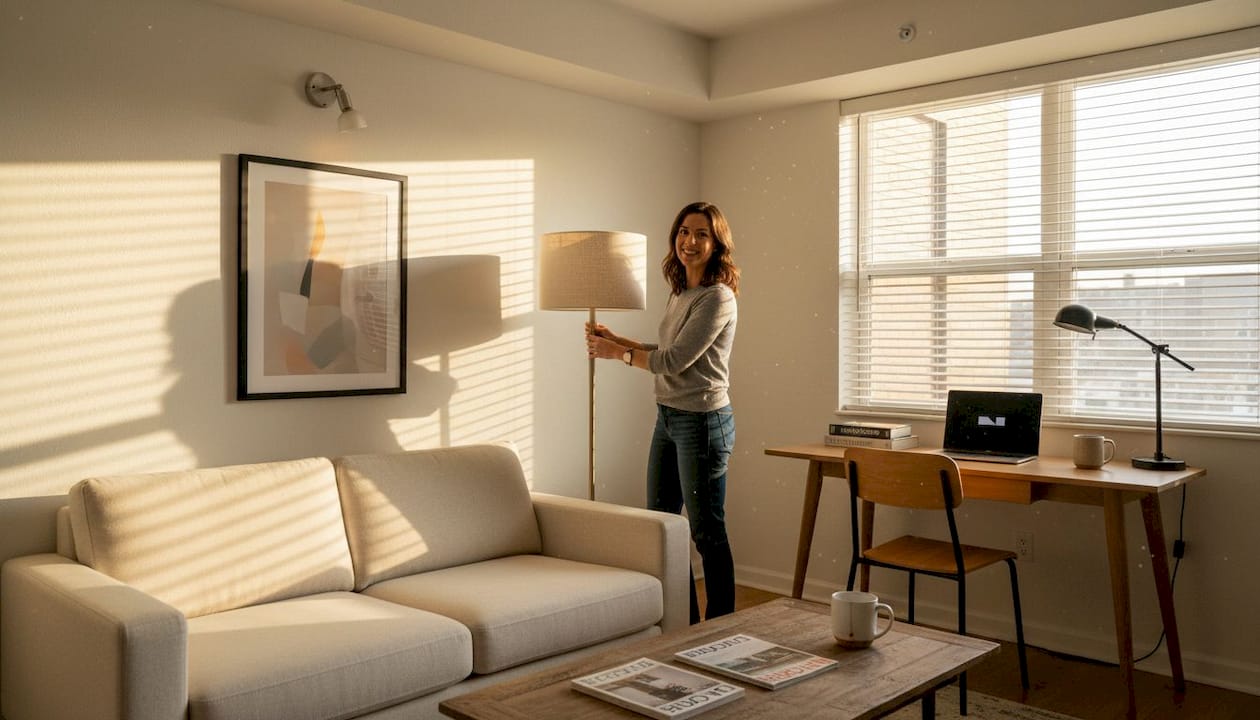
TL;DR:
- Effective apartment lighting combines natural light assessment with layered artificial sources.
- Layering ambient, task, and accent lighting creates a balanced, visually appealing space.
- Smart, energy-efficient fixtures and strategic placement significantly enhance room perception and ambiance.
Lighting is one of the most powerful tools in any apartment, yet most people treat it as an afterthought. A single poorly placed ceiling fixture can make a spacious room feel like a basement, while a thoughtfully layered setup can make a compact studio feel twice its size. The challenge is that modern apartments demand lighting that works hard on two fronts: it needs to look great and function well at the same time. Getting that balance right is not as complicated as it sounds. This guide walks you through every practical step, from assessing your space to choosing smart upgrades that work even in rentals.
Table of Contents
- Assess your apartment’s lighting needs
- Choose layered lighting: Ambient, task, and accent
- Select apartment-friendly fixtures for style and space
- Embrace smart and sustainable lighting solutions
- Why the right lighting can transform small apartments
- Take your apartment lighting to the next level
- Frequently asked questions
Key Takeaways
| Point | Details |
|---|---|
| Layered lighting wins | Combining ambient, task, and accent lighting makes any modern apartment look and feel better. |
| Compact fixtures matter | Choose slim, multi-purpose lights to maximize space and elevate style. |
| Smart upgrades save money | LED bulbs and app controls offer energy savings and flexibility with minimal installation hassle. |
| Lighting shapes mood | Simple dimmer switches and bulb swaps can quickly transform the atmosphere and functionality. |
Assess your apartment’s lighting needs
Before you buy a single bulb, take stock of what you are working with. Walk through each room at different times of day and notice where sunlight enters, where shadows collect, and which corners feel permanently gloomy. This simple exercise reveals your apartment’s natural light rhythm and shows you exactly where artificial lighting needs to pick up the slack.
Start by mapping out how you actually use each room. A home office needs bright, focused light to reduce eye strain. A living room needs flexibility, bright for cleaning, dim for movie nights. A bedroom needs calm, warm tones that support wind-down routines. Treating every room the same is one of the most common lighting mistakes people make.
The other big mistake is relying on a single overhead fixture to do everything. One ceiling light creates flat, harsh illumination with deep shadows around the edges. It is functional in the way a flashlight is functional: technically adequate but deeply uninspiring. Layering apartment lighting across multiple sources fixes this immediately, and the results feel almost dramatic by comparison.
Here are the key things to assess in each room before you start shopping:
- Natural light sources: Note which windows face which direction. South-facing windows bring all-day brightness; north-facing rooms need more artificial help.
- Dark corners: Identify spots where overhead light does not reach. These are prime candidates for floor lamps or accent strips.
- Room function: List the primary tasks performed in each space, such as cooking, reading, working, or entertaining.
- Existing fixtures: Check what you already have and whether it can be improved with a bulb swap or a simple shade change.
- Wall and floor colors: Light-colored walls reflect light; dark walls absorb it. This affects how much artificial lighting you actually need.
Pro Tip: Hang mirrors on walls opposite windows to bounce natural light deeper into your space. This costs nothing and can dramatically brighten a room without adding a single fixture. Pair mirrors with light-colored walls and you effectively multiply your available light.
For DIY interior lighting projects, this assessment phase is where you avoid expensive mistakes. Buying fixtures before you understand your space often leads to returns, regret, and rooms that still feel off. Spend 20 minutes with a notepad first, and your purchases will be far more intentional. As lighting experts put it, layered light across ambient, task, and accent layers creates balanced, professional-feeling environments.
Choose layered lighting: Ambient, task, and accent
Once you know what your space needs, the next step is selecting the right combination of lighting types. Modern interior design relies on three distinct layers, and understanding each one changes how you shop and plan.
Ambient lighting is your base layer. It provides general illumination for an entire room. Think ceiling fixtures, flush mounts, and wall-mounted lights that spread light broadly. This is the layer most apartments already have, even if it is just one basic overhead fixture. The goal is to make it even and comfortable, not blinding.
Task lighting is focused and functional. It goes where you need it most: a desk lamp for working, under-cabinet strips in the kitchen, a reading lamp beside the bed. Task lighting reduces eye strain by making sure you have enough light exactly where a specific activity demands it. Without it, you end up squinting under ambient light that was never designed for close-up work.
Accent lighting is where personality comes in. LED strips behind a TV, a spotlight on a piece of artwork, small directional fixtures highlighting a textured wall. Lighting for interior photos consistently shows that accent lighting is what separates a flat, ordinary space from one that looks curated and intentional. It adds visual depth that ambient light simply cannot provide.
Here is a quick comparison to help you plan:
| Lighting type | Typical cost | Difficulty | Best rooms |
|---|---|---|---|
| Ambient | $30 to $200+ | Low to medium | All rooms |
| Task | $15 to $100 | Low | Office, kitchen, bedroom |
| Accent | $10 to $80 | Low | Living room, bedroom, hallway |
The three types work together. Ambient sets the stage, task handles the practical work, and accent creates mood. Editing interior lighting in photos often reveals exactly this dynamic: spaces that look flat almost always lack accent lighting.
Pro Tip: Mix bulb color temperatures across your layers. Use warm white (2700K to 3000K) for ambient and accent lighting, and cool white (3500K to 4000K) for task lighting. This combination feels natural and gives you flexibility to shift the room’s mood without changing fixtures.
Choosing all three types does not mean spending a fortune. Many effective task and accent solutions cost under $30 and take minutes to install. The investment is mostly in thinking carefully about what each room needs, not in expensive equipment.
Select apartment-friendly fixtures for style and space
With your lighting layers planned, the next decision is which specific fixtures suit your apartment’s style and physical constraints. Small spaces demand fixtures that earn their footprint, delivering both visual impact and practical illumination without overwhelming the room.
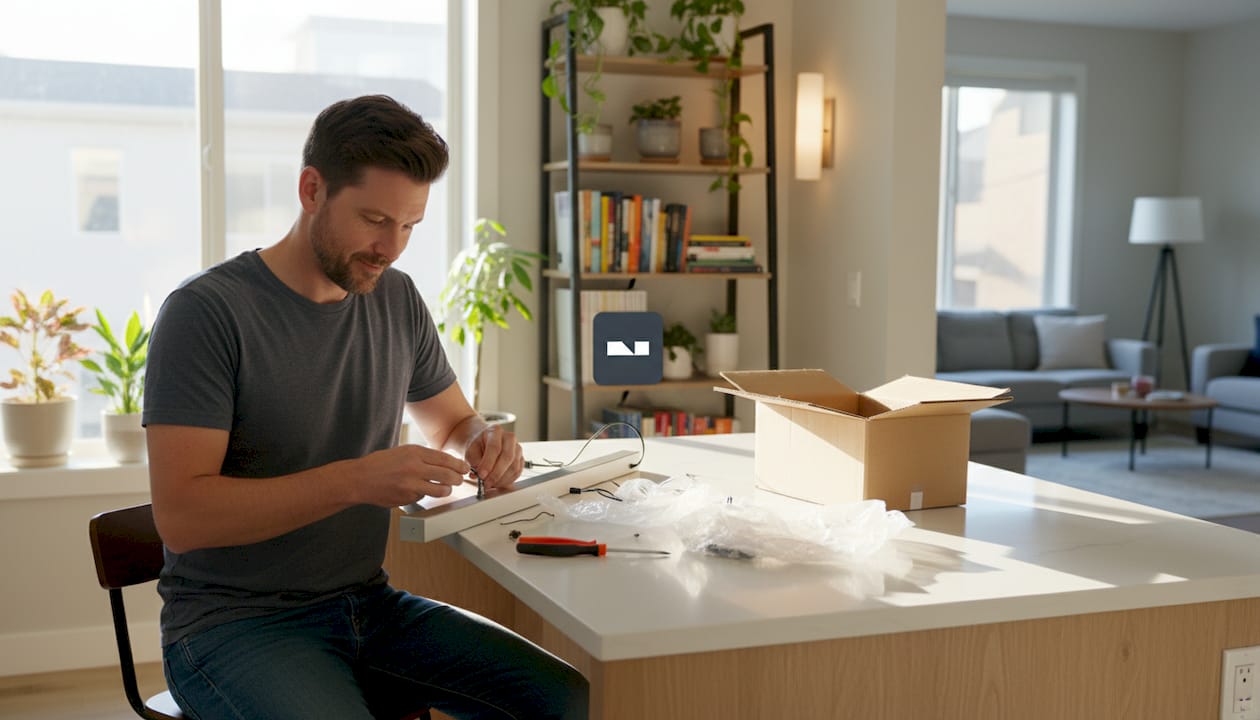
Slim pendant lights are a great choice over kitchen islands or dining tables. They draw the eye upward, making ceilings feel higher, while providing focused light exactly where you eat or prep food. Choose single-bulb pendants in compact spaces and cluster three together in larger rooms for a statement effect.
Wall sconces are underused in apartments but incredibly effective. They free up floor space, add layered light at eye level, and come in styles ranging from industrial to mid-century modern. Plug-in sconces require no wiring changes, which makes them perfect for renters.
Floor lamps with multiple heads spread light across a room from a single floor socket. They are especially useful in living rooms where you need both ambient and reading light without installing anything permanent.
Track lighting offers flexibility that fixed ceiling fixtures cannot match. You can direct individual heads toward artwork, a reading chair, or a work area, and then redirect them whenever your layout changes.
As lighting designers consistently note, compact chandelier options that combine style and function maximize usable space while complementing modern decor without making a small room feel crowded.
“The best apartment fixtures solve two problems at once: they provide the light you need and contribute to the visual story of your space. When a fixture only does one of those things, the room always feels incomplete.”
When shopping, check three things: the fixture’s maximum bulb wattage (to ensure compatibility with smart bulbs), whether it works with a dimmer, and the diameter relative to your room size. A fixture that is too large dominates a room; one that is too small gets lost. For rooms under 150 square feet, fixtures between 12 and 20 inches in diameter tend to look proportionally correct.
Embrace smart and sustainable lighting solutions
Modern apartment lighting does not stop at the fixture. Smart technology and energy-efficient bulbs have changed what is possible, especially for renters who cannot rewire or renovate.
LED bulbs are the obvious starting point. Energy-saving bulbs use up to 80% less energy than incandescent alternatives and last significantly longer, which means fewer replacements and lower electricity bills over time. They are available in every shape, size, and color temperature, so swapping out old bulbs is a no-compromise upgrade.
Here is how LED and incandescent bulbs compare in practice:
| Feature | LED | Incandescent |
|---|---|---|
| Average lifespan | 15,000 to 25,000 hours | 750 to 1,500 hours |
| Energy use (60W equivalent) | 8 to 10W | 60W |
| Installation difficulty | Plug-and-play | Plug-and-play |
| Cost per bulb | $3 to $10 | $1 to $3 |
| 5-year operating cost | Low | High |
Smart lighting controls take things further. App-controlled systems let you adjust brightness, color temperature, and schedules from your phone. LED strip controllers using Bluetooth or Wi-Fi offer flexible control without any rewiring, making them ideal for apartments. Stick an LED strip behind your TV or under a cabinet shelf and control it entirely from an app.
Dimmers are one of the highest-impact, lowest-cost upgrades available. Dimmable switch solutions enable mood shifts throughout the day and reduce energy use when full brightness is not needed. Many plug-in dimmer adapters require no installation at all.
Pro Tip: If you rent, stick to plug-and-play upgrades like smart bulbs, plug-in dimmers, and adhesive LED strips. These require no tools, no permission from your landlord, and move with you when you leave. Exploring smart lighting tech options designed for modern apartments makes this even easier.
The combination of LED efficiency and smart control means you can run a fully layered, mood-responsive lighting setup for less than the cost of a single incandescent bill over a year.
Why the right lighting can transform small apartments
Here is something most lighting guides will not tell you: lighting changes how large a room feels more reliably than furniture rearrangement ever will. A couch moved three feet accomplishes very little. Two well-placed floor lamps and a strip of warm accent lighting can make the same room feel genuinely different in under an hour.
We have seen this pattern consistently across apartment spaces. The people who report feeling most satisfied with their homes are rarely those who spent the most on renovations. They are the ones who treated lighting as a design priority rather than a utility checkbox. A $25 LED strip, a $40 plug-in sconce, a simple dimmer: these small changes stack.
The uncomfortable truth is that most people dramatically underestimate what lighting does to spatial perception. Creative lighting design choices, like placing light at different heights, mixing warm and cool tones, or adding a single accent fixture to a dark corner, shift the entire visual weight of a room. You do not need a bigger apartment. You need better light in the one you have.
Take your apartment lighting to the next level
Ready to see what your space could look like before you commit to changes? VibeMyFlat makes it easy to visualize lighting upgrades in your actual apartment photos using AI, so you can try different setups digitally before spending a dollar.
Describe the lighting change you want in plain language, such as warmer tones in the living room or accent strips under the kitchen cabinets, and get a professional-quality preview in under 30 seconds. Explore the lighting and interiors guide for even more ideas on transforming your space visually. Then use VibeMyFlat apartment tools to bring your vision to life before you pick up a single fixture.
Frequently asked questions
What’s the best lighting setup for small apartments?
Layer ambient, task, and accent lighting using space-saving fixtures to maximize brightness and style. Layered light across all three types creates a balanced, professional-feeling result even in compact rooms.
Are smart bulbs worth it in rental apartments?
Yes, smart energy-saving bulbs save energy, improve control, and require no major installation, making them ideal for renters who cannot make permanent changes.
How can I highlight decor with lighting?
Accent lighting, such as LED strips and spotlights, draws attention to artworks and architectural features without overwhelming the room. It is the layer that makes a space look intentionally designed rather than simply lit.
What’s a quick lighting tip for improving ambiance?
Switch to warm-toned bulbs and add a dimmable switch to your main fixture. This single change allows you to shift from bright and functional to warm and cozy without buying anything else.