Top 2026 design trends to boost your property appeal
Top 2026 design trends to boost your property appeal
TL;DR:
- 2026 design trends like color drenching and Art Deco revival significantly boost property appeal and engagement.
- Focus on structural, high-impact updates rather than many fleeting decorative trends.
- Use data-driven evaluation and professional visuals to maximize the impact of chosen trends.
Buyer and renter preferences are shifting faster than most homeowners expect, and 2026 is shaping up to be a year where the wrong design choices can quietly cost you thousands in lost interest. The properties that get attention, hold value, and close faster are the ones where owners made deliberate, informed decisions about updates before listing or renting. This article breaks down the specific trends gaining real traction in 2026, how to evaluate them against your property’s strengths, and the practical steps you can take to translate design choices into stronger photos, better listings, and more buyer engagement.
Table of Contents
- How to evaluate 2026 design trends for maximum impact
- Top 2026 design trends: What’s in, what’s out
- Design trend comparison: Which updates deliver the most value?
- How to showcase 2026 trends in listings and photos
- The uncomfortable truth about design trends in 2026
- Bring your 2026 design vision to life
- Frequently asked questions
Key Takeaways
| Point | Details |
|---|---|
| Choose trends with data | Prioritize updates with proven demand, like color drenching and Art Deco elements. |
| Update for durability | Focus on changes with staying power, such as surfaces and materials, not just decor. |
| Stand out in listings | Highlight standout features and styles with professional photos for maximum appeal. |
| Balance trend and timeless | Mix classic choices with select hot trends to boost both value and authenticity. |
How to evaluate 2026 design trends for maximum impact
Not every trend deserves your time or your budget. The smartest way to approach 2026 design updates is to treat them like any other investment: look at the data, check the signals, and prioritize what moves the needle for buyers and renters rather than what simply looks good on a mood board.
Here is a simple four-step framework for evaluating whether a trend is worth adopting:
- Check listing language growth. When real estate listing platforms start using new design terms more frequently, it signals that agents and sellers are responding to buyer demand. Phrases like “color drenching” and “artisan craftsmanship” appearing more often in listings are not coincidences. They reflect what buyers are searching for and responding to.
- Look at search volume increases on design platforms. Platforms like Houzz track what homeowners and buyers are browsing. When a category spikes 20% or more year over year, that trend has moved beyond early adopters and into mainstream demand.
- Ask whether the trend is structural or decorative. Decorative trends, like throw pillows or art prints, are easy to swap but add minimal lasting value. Structural trends, like installing arched doorways, swapping cabinet finishes, or committing to a color drenching approach on walls and trim, signal quality and intentionality to buyers. Focus your budget on changes that photograph well and feel permanent.
- Test appeal beyond your own taste. Your personal preferences matter less than buyer psychology. Run your shortlisted updates by your real estate agent or check what finishes are appearing in recently sold comparable listings in your area.
Measurable buyer signals like growth in “color drenching,” rising interest in Art Deco revival elements, and movement away from all-white kitchens are driving the property-appeal conversation for 2026. These are not aesthetic opinions. They are data points from listing platforms and design search engines.
Pro Tip: Before committing to any update, search the trend term on Houzz or Zillow listings and check how frequently it appears in descriptions for recently sold properties in your price range. If it is showing up in high-performing listings, that is a green light.
Good renovation planning for 2026 starts with this kind of data-driven filtering, not with scrolling through Instagram.
Top 2026 design trends: What’s in, what’s out
With a framework in hand, here are the most important trends you need to know for 2026. These are backed by real listing data and search behavior, not just editorial opinion.
What’s in:
- Color drenching. This means painting walls, trim, ceiling, and sometimes even radiators in one consistent bold shade. It creates an immersive, high-design effect that photographs beautifully and stands out immediately in listing galleries. Color drenching is up 149% year over year in Zillow listing descriptions.
- Art Deco revival. Think arched doorways, geometric tile patterns, brass and gold metallic accents, and furniture with sculptural silhouettes. Houzz reports Art Deco searches up 22% year over year, which means buyers are actively seeking this aesthetic.
- Artisan craftsmanship. Buyers are hungry for spaces that feel unique and made with intention. Custom tile work, handcrafted light fixtures, and bespoke cabinetry details signal quality and attention to detail. This category is up 21% in listing mentions.
- Vintage and sustainable materials. Reclaimed wood, recycled glass, natural stone, and vintage hardware carry a story that resonates with buyers who value sustainability and character. Vintage accents are up 17% in listing descriptions.
- Warm neutrals and wood grain cabinetry. Earth tones like terracotta, warm taupe, and olive green are replacing cool grays and stark whites across kitchens and living areas.
What’s out:
- All-white everything, especially kitchens
- Cool gray accent walls
- Generic open-plan layouts with no defined zones
- Farmhouse-style shiplap (oversaturated)
“The spaces that buyers remember are the ones that feel curated, not assembled. Mixing one bold trend with quality materials and a clear design point of view creates far more impact than layering every trend on top of each other.”
If you want to explore how AI can help you visualize these changes before committing to paint or fixtures, check out AI design ideas for 2026 as a starting point for experimentation.
Design trend comparison: Which updates deliver the most value?
Let’s see how these trends stack up side by side, so you can make confident selections.
| Trend | Search/listing growth | Estimated update cost | Long-term buyer appeal |
|---|---|---|---|
| Color drenching | +149% YoY | Low (paint) | High (bold, memorable) |
| Art Deco elements | +22% YoY | Medium (fixtures, tile) | High (classic foundation) |
| Artisan craftsmanship | +21% YoY | Medium to high | Very high (durable, unique) |
| Vintage/sustainable materials | +17% YoY | Medium | High (eco-conscious buyers) |
| Warm neutrals and wood grain | Replacing all-white trend | Low to medium | High (broad appeal) |
| All-white kitchen | Declining | N/A (avoid) | Low and falling |
The data paints a clear picture. Color drenching is the highest-signal, lowest-cost move you can make in 2026. A single room painted in a cohesive, bold color from floor to trim to ceiling creates dramatic impact at the cost of a few cans of paint and a weekend of work. The ROI on this one change, measured in listing engagement, is hard to beat.
Here is how to prioritize your updates based on evidence:
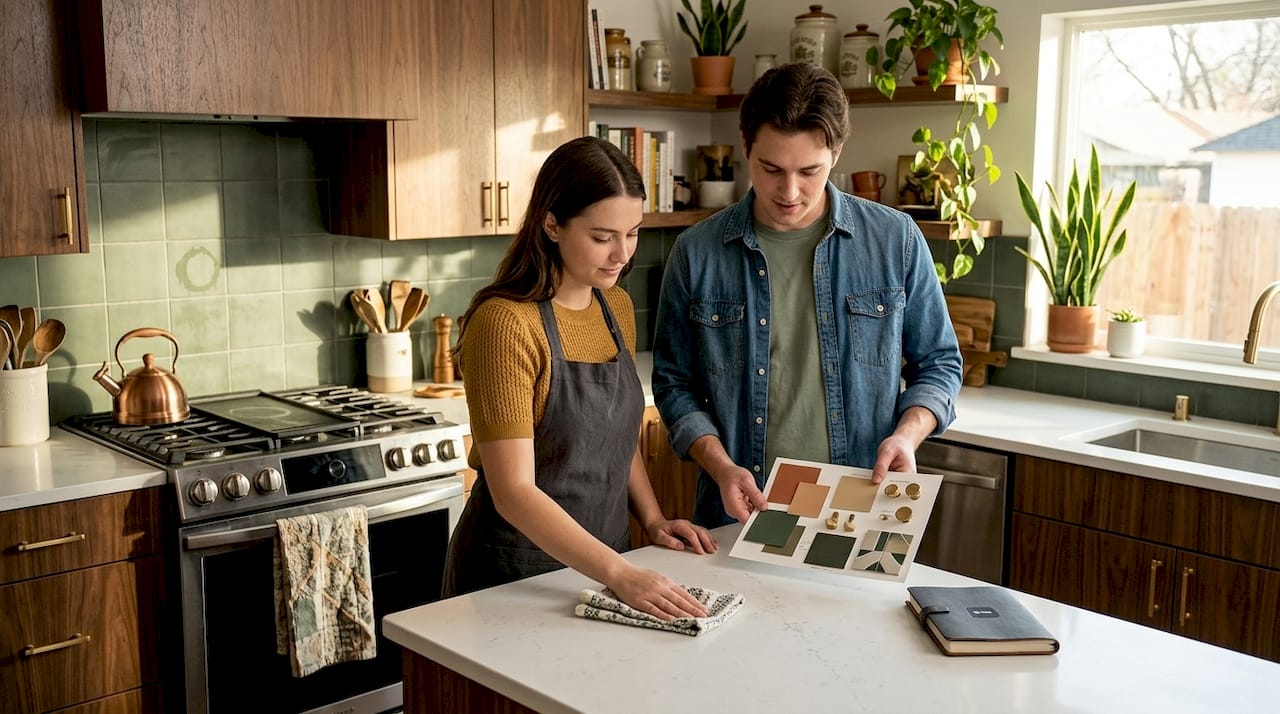
- Start with color. Pick one room, ideally a bedroom, study, or living room, and commit to full color drenching. Choose a deep, warm shade rather than a cool or pastel tone. This photographs exceptionally well and immediately differentiates your property in online listings.
- Upgrade one focal point with Art Deco influence. This could be as simple as swapping a standard light fixture for one with a geometric brass frame, adding an arched mirror, or installing patterned tile in a bathroom or kitchen backsplash.
- Replace flat-front, all-white cabinet doors. Warm neutrals and wood grain cabinetry are replacing painted finishes because they feel warmer and more textured in person and on camera.
- Add one artisan or vintage element. This does not require a major renovation. A handmade ceramic sink, a vintage pendant light, or reclaimed wood shelving can shift the entire perceived quality of a space.
The key insight here is that buyers do not need to see every trend represented. They need to feel that the space has been updated with intention and care. Two or three well-executed trend updates beat ten rushed ones every time.
For a broader look at what update categories return the most value, explore interior redesign ideas organized by impact and budget.
How to showcase 2026 trends in listings and photos
After you have picked your trends, make sure they stand out online and in-person with these techniques. A beautifully updated room that is photographed poorly is a missed opportunity. Listing photos are the first impression for more than 90% of buyers and renters who search online before scheduling a visit.
Here is your pre-photo checklist for showcasing 2026 trends effectively:
- Clear the clutter completely. Color drenching and Art Deco details need room to breathe. Remove anything that competes with the focal point you have created.
- Set the lighting before the camera arrives. Warm bulbs (around 2700K color temperature) enhance earth tones and wood grain far better than cool daylight bulbs. Replace any mismatched bulbs throughout the room.
- Style surfaces with intention. A single vintage ceramic vase on a wood-grain counter tells a more compelling story than five decorative objects. Less is more when the design itself is the statement.
- Photograph at eye level, not from corners. High-wide-angle shots can make a color drenched room feel distorted. Eye-level shots preserve the true impact of the color and proportion.
- Capture the detail shots. Artisan tile work, custom hardware, and geometric lighting fixtures deserve their own close-up images in the listing gallery. These details justify the perceived value.
- Match the photo tone to the design tone. Warm, slightly moody edits work beautifully for color drenched rooms and Art Deco influenced spaces. Cool, bright edits suit those styles less well.
Pro Tip: Write your listing description to name the design choices explicitly. Phrases like “color drenched in specific shade],” “Art Deco-inspired brass fixtures,” and “handcrafted tile backsplash” are searchable terms that [boost listing visibility and signal to buyers that you have made intentional, current choices.
Once photos are taken, use staging photo tips to review your edit workflow, and consider editing property photos to ensure color accuracy and style consistency across all your listing images.
The uncomfortable truth about design trends in 2026
Here is something that most trend roundups won’t tell you: chasing every hot trend simultaneously is one of the fastest ways to make your property feel dated by 2027 and alienate buyers who might have loved it otherwise.
We see this constantly. A homeowner reads about color drenching, Art Deco, vintage accents, and artisan craftsmanship, and then tries to incorporate all four into a single renovation. The result is a space that feels cluttered with signals rather than confident in a direction. Buyers walk through and feel vaguely overwhelmed without knowing why. The property sits longer than it should.
The uncomfortable reality is that timeless execution beats trendy execution almost every time. A kitchen with warm wood grain cabinetry, quality hardware, and clean lines will outperform a kitchen that has geometric tiles, brass fixtures, a color drenched ceiling, and vintage pendant lights all competing for attention.
The most valuable thing you can do with this year’s trends is use them selectively to update a space that already has solid, classic bones. One bold color drenched room in an otherwise neutral property creates a memorable “wow” moment without confusing the overall narrative. A single Art Deco light fixture in an otherwise understated dining room feels intentional and sophisticated.
We also want to flag the “crowd effect” honestly. When every property in a neighborhood starts using the same trending finishes, those finishes lose their power to differentiate. If your comparable listings are all switching to warm neutrals, the property that holds a clean, well-lit all-white kitchen with exceptional quality materials might actually stand out more.
The framework we recommend: pick one or two trends that genuinely suit your property’s architecture and your target buyer profile. Execute them with real quality materials and professional-level photos. Then stop. Resist the pull to add more. Strong renovation strategy insights will always point you toward restraint over excess.
Bring your 2026 design vision to life
You now have the data, the framework, and the practical steps. The next challenge is seeing exactly how these changes will look in your specific space before spending money on paint, tile, or fixtures.
That is exactly where VibeMyFlat fits into your workflow. Using AI-powered photo editing, you can describe the changes you want in plain language and see a realistic, professional-quality result in under 30 seconds. Want to test color drenching in deep terracotta on your living room walls and trim? Done. Curious how Art Deco brass fixtures would look above your kitchen island? Preview it instantly. VibeMyFlat lets you experiment freely before you commit financially, making it the smartest first step in any renovation planning guide. Available on iOS, Android, and web, it works wherever your planning happens.
Frequently asked questions
What is color drenching in interior design?
Color drenching means painting walls, trim, ceilings, and sometimes radiators all in the same bold shade to create a fully immersive effect. It is up 149% in listing mentions for 2026, making it the standout trend for property differentiation this year.
Are all-white kitchens still popular in 2026?
No. All-white kitchens have run their course, with warm neutrals, earth tones, and wood grain cabinetry now leading buyer preferences and appearing far more frequently in high-performing listings.
How can I make my property stand out in 2026?
Feature one or two bold, intentional design choices like color drenching or Art Deco accents, then back them with buyer-focused signals by using trend-specific language in your listing description and professional-quality photography that highlights each upgrade clearly.
Why does following design trends matter for resale?
Design trends aligned with active buyer interest make homes feel current and move-in ready, reducing the psychological barrier to making an offer. Tying interior updates to measurable listing signals is one of the most effective ways to boost buyer engagement and perceived value simultaneously.
Recommended
- Interior renovation planning tips: maximize results in 2026
- Professional photo editing boosts property appeal by 95%
- Explore types of interior redesign ideas to transform your home
- Innovative AI design ideas to transform your home interior
- Top residential exterior lighting ideas for Calgary homes
- Marble decor tips to elevate luxury homes in 2026 – Marmorique