Trends in Home Decor 2026: What Homeowners Need to Know
Trends in Home Decor 2026: What Homeowners Need to Know
TL;DR:
- Home decor in 2026 emphasizes warmth, texture, and authenticity, moving away from cold minimalism.
- Designs feature warm neutral palettes, refined curved furniture, tactile materials, and layered lighting for a personal feel.
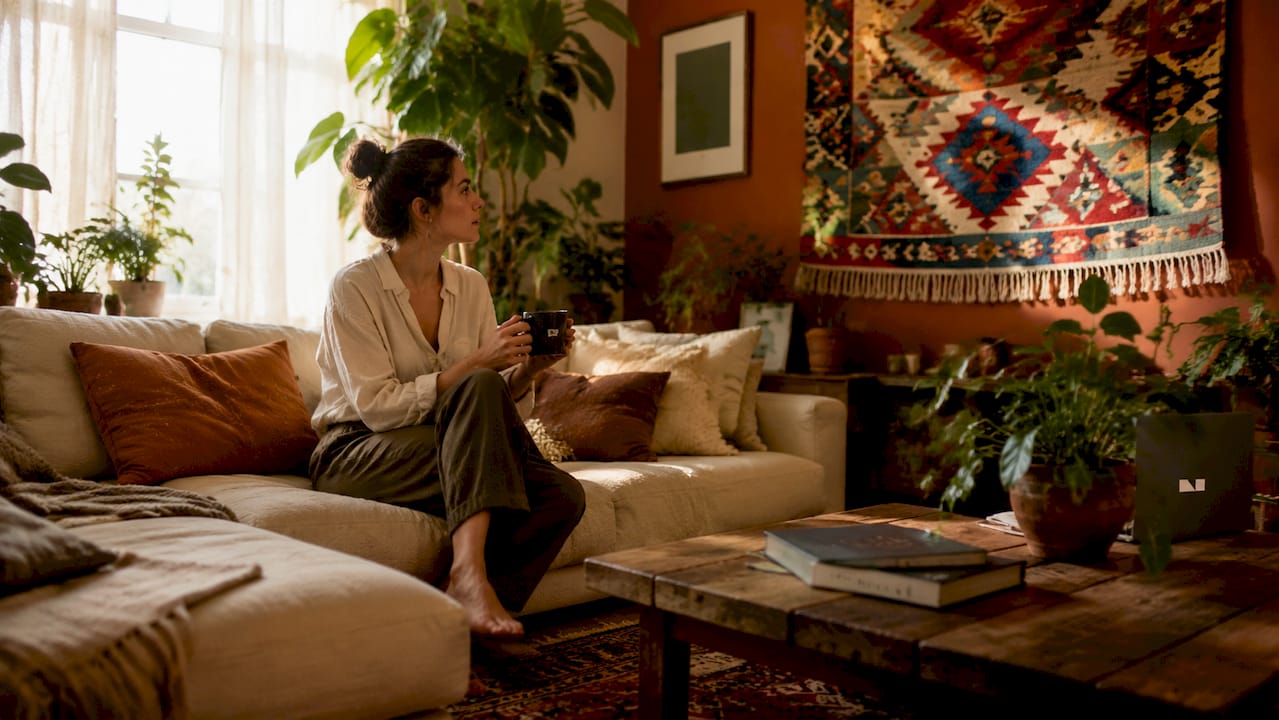
The dominant trends in home decor 2026 center on warmth, texture, and authenticity. Interior designers call this shift “warm modern heritage,” a philosophy that replaces cold minimalism with lived-in comfort, structural curves, and tactile materials. Interior designer Lana Mari Gregan describes this approach as balancing comfort with structure to avoid messiness. The result is a new standard for 2026 interior design trends: spaces that feel personal, grounded, and genuinely human.
1. Which colors and palettes define 2026 home decor styles?
Warm neutrals are the defining color story of 2026. Terracotta, mushroom, ochre, sand, caramel, and warm taupe have replaced cool greys and icy whites across newly styled interiors. These tones ground a room without demanding attention, which is exactly what makes them so effective.
The shift is more than cosmetic. Cool greys and stark whites read as clinical. Warm earthy tones read as welcoming. That emotional difference is why designers are applying these palettes to walls, upholstery, cabinetry, and even flooring in the same space.
Here is how to work these colors into your home:
- Walls: Mushroom or warm taupe on the main wall creates an instant sense of depth without painting the whole room.
- Furniture: A caramel leather sofa or ochre linen armchair anchors the palette without requiring a full furniture overhaul.
- Accents: Terracotta vases, sand-colored cushions, and woven throws layer in warmth at low cost.
- Trim and ceilings: Painting trim in a slightly warmer white than the wall color adds subtle dimension that most homeowners overlook.
For wall color ideas aligned with these palettes, Vibemyflat’s wall color inspiration guide offers practical starting points for every room size.
Pro Tip: Test your warm neutral on a 12-by-12-inch poster board and move it around the room at different times of day before committing. Natural light shifts dramatically between morning and evening, and a color that looks perfect at noon can read orange by 6 p.m.
2. What role do furniture shapes and forms play in 2026 interior trends?
Curved furniture is now mainstream, but the 2026 version is more refined than the bubbly novelty shapes that defined earlier years. Oval tables, softly rounded sofas, and architectural arches replace rigid, angular geometry to improve visual flow in living spaces. The key distinction is that these curves feel structural, not cartoonish.
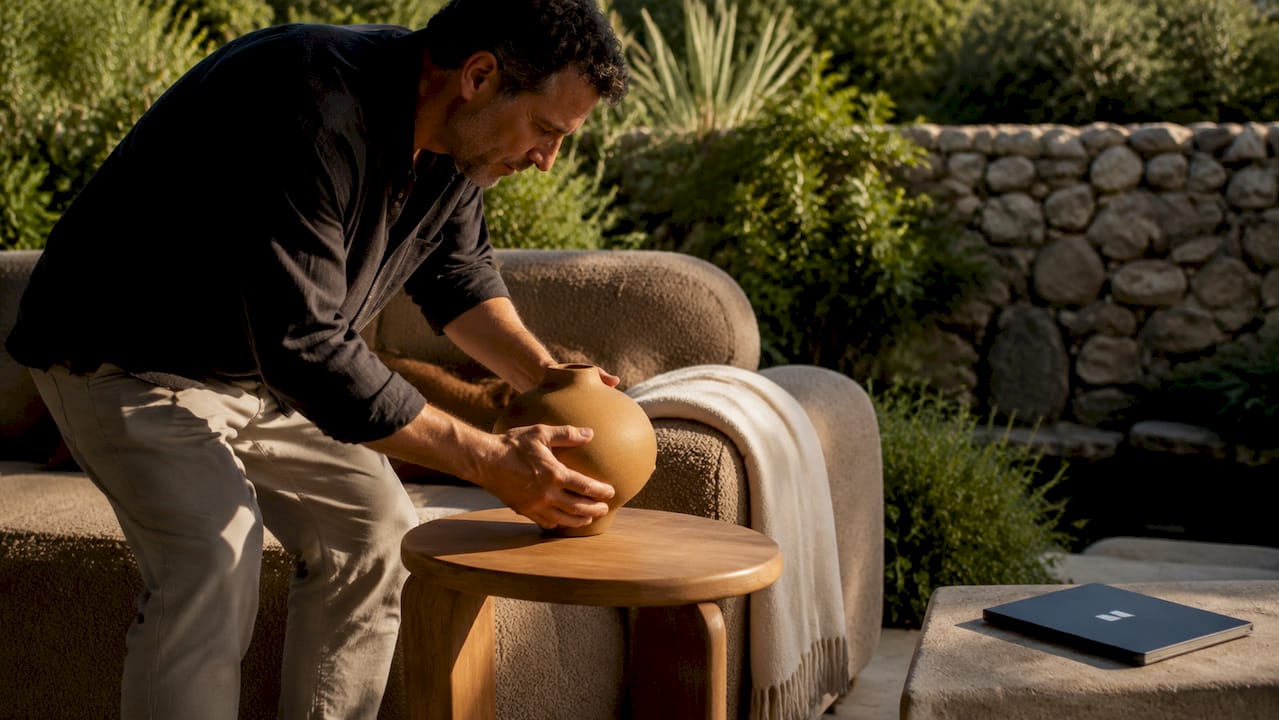
Think of it this way: a 2023 curved sofa looked like a croissant. A 2026 curved sofa looks like it belongs in a well-appointed hotel lobby. The form is intentional, not decorative.
Here is how to apply this shift room by room:
- Living room: Choose a rounded sofa with a low, wide profile. Pair it with an oval coffee table to echo the curve without repeating it exactly.
- Dining room: An oval dining table seats more people than a rectangle of the same footprint and softens the room’s geometry at the same time.
- Entryway: A curved console table or arched mirror immediately signals the 2026 aesthetic the moment someone walks through the door.
- Bedroom: A rounded headboard with a simple upholstered frame replaces the sharp-edged platform beds that dominated the previous decade.
- Home office: A curved desk or kidney-shaped work surface reduces the hard, corporate feel of a home workspace.
Pro Tip: If you are not ready to replace furniture, add curves through accessories. A round lamp base, an arched floor lamp, or a circular rug introduces the same visual softness at a fraction of the cost.
3. How are textures and materials shaping luxury in 2026 homes?
Luxury in 2026 is defined by what you feel, not what you see. Tactile materials like bouclé, linen, matte stone, and fluted glass have replaced high-shine surfaces as the markers of quality. Designers are layering mohair, velvet, and textured wood to create interiors that reward close attention.
This is a meaningful departure from the polished, reflective surfaces that defined the previous decade. Glossy marble countertops and lacquered cabinetry signaled luxury through visual impact. The 2026 version signals luxury through sensory depth.
Practical ways to layer texture in your home:
- Upholstery: Bouclé chairs and velvet cushions add immediate tactile richness to a neutral room.
- Walls: Limewash paint or textured plaster creates depth that flat paint simply cannot replicate.
- Surfaces: Matte stone countertops and fluted glass cabinet fronts replace glossy alternatives without sacrificing sophistication.
- Flooring: Wide-plank wood with a matte or wire-brushed finish adds warmth underfoot and visual grain that polished floors lack.
- Decorative objects: Pottery and artisan-crafted decor add meaningful history and individuality, reinforcing the trend toward personalized, tactile luxury.
The rule of thumb is to mix at least three different textures in any given room. One smooth surface, one woven surface, and one matte solid surface create enough contrast to feel layered without feeling chaotic.
4. How can homeowners create an authentic, collected-over-time look?
The 2026 aesthetic rewards spaces that look like they were assembled over years, not ordered from a single catalog. Sourcing 20–30% of decor from vintage or artisanal sellers breaks mass-produced uniformity and adds the kind of depth that no showroom can replicate. A hand-thrown ceramic bowl or a worn leather chair carries a story that a brand-new piece simply does not.
Industry expert Andrea makes a point worth noting: the biggest misconception about 2026 trends is that a full color overhaul is needed. The real focus is on mixing material scales for personality. One vintage piece in a modern room does more for authenticity than repainting every wall.
Pattern mixing follows the same logic of restraint. Limiting patterns to 2–3 complementary scales avoids overcrowding and maintains calm. Combining a large-scale floral with a small-scale stripe works. Adding a third geometric on top of that breaks the room.
Lighting is the most underused tool in this equation. Installing 3–5 small light sources per room creates warmth and mood that a single overhead fixture cannot achieve. Table lamps, floor lamps, and wall sconces at different heights layer light the way textures layer surfaces.
| Approach | Effect |
|---|---|
| Vintage or artisanal pieces (20–30% of decor) | Adds history and breaks mass-produced uniformity |
| Pattern mixing limited to 2–3 scales | Maintains calm and avoids visual clutter |
| Layered lighting with 3–5 low-level sources | Creates warmth and mood throughout the room |
| Mixing high and low price points | Adds personality without requiring a full budget overhaul |
For more on building a space that feels genuinely personal, Vibemyflat’s guide on creating interiors that feel like you covers the practical steps in detail.
Pro Tip: When shopping vintage, focus on one or two statement pieces rather than filling every corner. A single well-chosen antique lamp or a handwoven textile does more for authenticity than a room full of mismatched finds.
5. What home decor trends are fading in 2026?
Knowing what to move away from is as useful as knowing what to adopt. Cool grey palettes and stark all-white minimalism are losing ground because they read as cold and clinical in a design era that prizes warmth and comfort. If your home is currently built around cool greys and white walls, you do not need to gut the space. Swapping soft furnishings and adding warm-toned accents gets most of the way there.
Styles and materials losing relevance in 2026:
- Cool grey and icy white palettes: Being replaced by warm earthy tones across walls, furniture, and floors.
- Novelty bubbly furniture: The exaggerated, cartoonish curves of recent years are giving way to refined, structural shapes.
- High-shine surfaces: Glossy lacquer, polished marble, and reflective metals are stepping back in favor of matte and textured finishes.
- Single overhead lighting: Clinical ceiling fixtures are being replaced by layered, low-level lighting schemes.
- Overly curated, showroom-style rooms: Spaces that look untouched are being replaced by rooms that look lived in and personally assembled.
The common thread across all of these fading trends is that they prioritize appearance over feeling. The 2026 direction moves decisively toward spaces that feel good to be in, not just good to photograph.
Key takeaways
The defining shift in 2026 home decor is from visual perfection to sensory warmth, where texture, curved form, and layered authenticity replace cold minimalism as the standard for well-designed interiors.
| Point | Details |
|---|---|
| Warm neutrals replace cool greys | Use terracotta, ochre, mushroom, and caramel on walls, furniture, and accents. |
| Refined curves define furniture | Choose oval tables, rounded sofas, and arched mirrors over angular geometry. |
| Texture signals luxury | Layer bouclé, linen, matte stone, and fluted glass for sensory depth. |
| Authenticity beats uniformity | Source 20–30% of decor from vintage or artisanal sellers to add character. |
| Layered lighting changes everything | Install 3–5 low-level light sources per room to replace harsh overhead fixtures. |
What I have learned from watching 2026 trends take shape
The warm modern heritage movement is not a trend in the usual sense. Most trends ask you to buy something new. This one asks you to think differently about what you already own.
What strikes me most is how the 2026 direction corrects a decade of overcorrection. Minimalism was a reaction to clutter. Now warmth is a reaction to minimalism. The pendulum does not swing back to maximalism. It lands somewhere more considered: rooms with fewer things, but things that carry weight.
The practical mistake I see most often is homeowners treating these trends as a checklist. They buy a bouclé chair, paint one wall terracotta, and add an arched mirror, then wonder why the room still feels off. The issue is almost always lighting. A warm palette under a cold overhead bulb reads wrong. Swap the bulb temperature first, then assess the room. The difference is immediate and costs almost nothing.
The other thing worth saying plainly: you do not need to source everything from vintage markets to achieve this look. One or two pieces with genuine history anchor the room. The rest can be new, as long as the materials and forms align. The goal is a room that feels like it belongs to someone, not a room that looks like it was assembled by a committee.
— Hello
See your 2026 decor ideas before you commit
Refreshing your home to reflect 2026 interior design trends is easier when you can see the changes before making them. Vibemyflat lets you describe exactly what you want, whether that is a terracotta accent wall, a warmer lighting scheme, or a new furniture arrangement, and generates a professional-quality photo edit in under 30 seconds.
Homeowners use Vibemyflat to test color palettes, visualize curved furniture in their actual rooms, and compare lighting setups without touching a paintbrush or moving a single piece of furniture. The platform works on any device and requires no design experience. Visit Vibemyflat to see how your space could look with 2026’s most compelling design ideas applied to it.
FAQ
What are the main trends in home decor for 2026?
The main trends center on warm neutral palettes, refined curved furniture, tactile luxury materials like bouclé and matte stone, and layered lighting. The overarching theme is warm modern heritage: spaces that feel comfortable, personal, and lived in.
Which colors are most popular in 2026 home interiors?
Terracotta, mushroom, ochre, caramel, sand, and warm taupe are the dominant colors in 2026 interiors. These warm earthy tones have replaced the cool greys and icy whites that defined the previous decade.
How do I achieve the collected-over-time look at home?
Source 20–30% of your decor from vintage or artisanal sellers, limit pattern mixing to 2–3 complementary scales, and replace overhead lighting with 3–5 low-level sources like lamps and sconces.
Is curved furniture still relevant in 2026?
Yes, but the style has evolved. Refined architectural curves like oval tables and softly rounded sofas are the 2026 standard. The exaggerated, bubbly shapes from earlier years are fading out.
What decor styles should I avoid in 2026?
Cool grey palettes, stark white minimalism, high-shine surfaces, and single overhead lighting are all losing relevance. The 2026 direction favors warmth, texture, and layered, personal styling over clinical perfection.