Explore types of interior redesign ideas to transform your home
Explore types of interior redesign ideas to transform your home
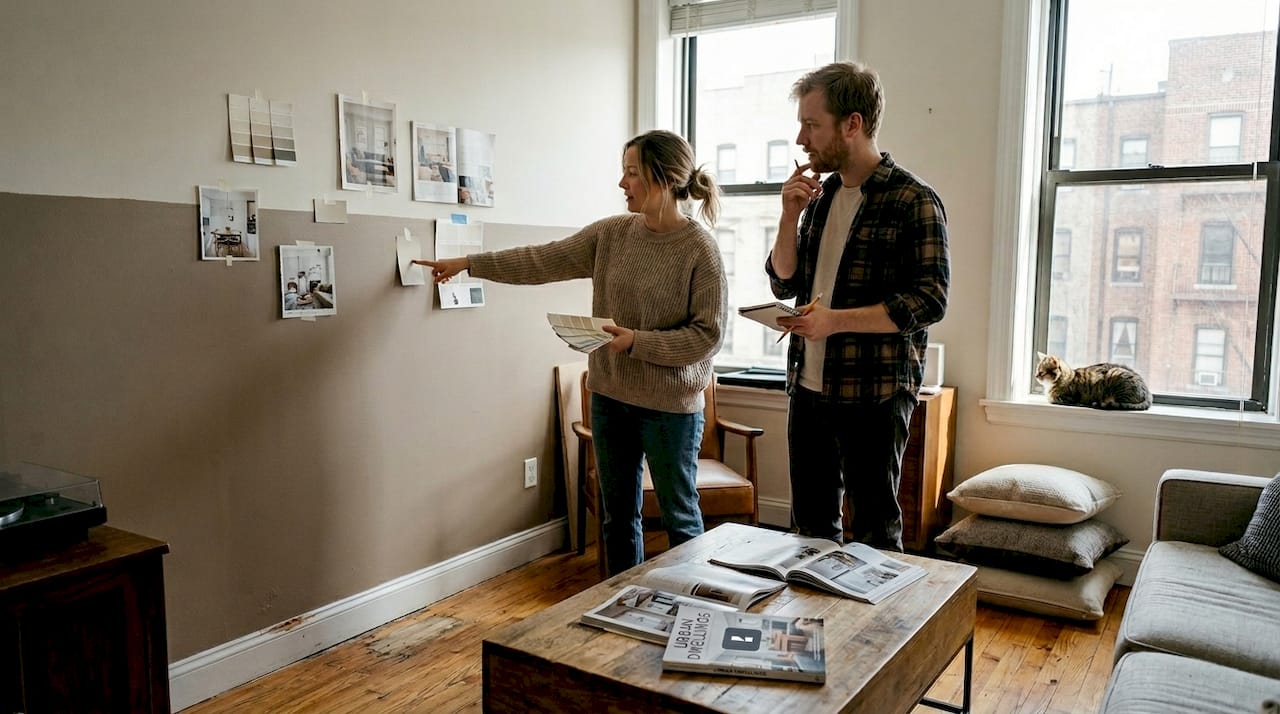
Choosing the right interior redesign approach can feel overwhelming when you’re staring at your living space, knowing something needs to change but unsure where to start. Whether you’re working with a tight budget, planning a major renovation, or simply want to refresh your home’s look, understanding the different types of redesign ideas available helps you make informed decisions. This article breaks down the core selection criteria, explores practical redesign options from DIY cosmetic updates to AI-powered visualization tools, and guides you through matching your unique needs with the right approach. You’ll discover how to evaluate your space, compare redecorating versus renovating, and leverage modern technology to bring your vision to life with confidence.
Table of Contents
- Key takeaways
- How to choose the right interior redesign approach
- DIY cosmetic updates: accessible and budget-friendly redesign ideas
- Using AI visualization tools for confident redesign planning
- Comparing redecorations to renovations: deciding the right scale of change
- Popular style categories and tailoring redesign to your preference
- Transform your home with AI-powered interior design tools
- FAQ
Key Takeaways
| Point | Details |
|---|---|
| Approach selection framework | Evaluate budget, problems to solve, aesthetic preferences, and lifestyle impact to choose the most suitable redesign path. |
| Redecoration vs renovation | Redecoration focuses on refreshing visuals while renovation addresses deeper fixes and layout changes. |
| DIY budget upgrades | DIY cosmetic updates offer affordable, low effort improvements like painting and accent walls that can be completed in a weekend. |
| AI powered design | AI powered tools help visualize and iteratively refine design ideas before committing to changes. |
How to choose the right interior redesign approach
Before diving into specific redesign ideas, you need a framework to evaluate which approach fits your situation. Start by assessing four critical criteria: your available budget, the functional problems you’re solving, your aesthetic preferences, and how your lifestyle impacts your space. A young family prioritizing durability will make different choices than empty nesters seeking elegance.
The modern interior design workflow incorporates seven core methodology frameworks that professional designers use. Core methodologies include function-driven, minimalist, open-plan, user-centered, light-centered, material-led, and phased approaches. Each framework emphasizes different priorities. Function-driven design solves practical problems first, while light-centered approaches maximize natural illumination. Understanding these frameworks helps you articulate what matters most in your redesign.
Your home’s existing characteristics also influence viable options. Consider these evaluation factors:
- Structural limitations like load-bearing walls or fixed plumbing locations
- Natural light availability and window placement
- Room dimensions and traffic flow patterns
- Existing finishes and their condition
- Timeline constraints for completion
Pro Tip: Balance aesthetic desires with functional needs by listing three must-solve problems alongside three style goals. This prevents purely decorative choices that don’t improve daily living.
Once you’ve clarified your criteria, you can confidently explore specific redesign types knowing which options align with your priorities and constraints.
DIY cosmetic updates: accessible and budget-friendly redesign ideas
Cosmetic updates represent the most accessible entry point for homeowners wanting to transform their interiors without major construction or expense. DIY cosmetic updates including painting cabinets, walls, furniture, installing peel-and-stick products, accent walls, and updating doors represent accessible entry-level redesign ideas that deliver immediate visual impact. These projects typically cost a few hundred dollars and can be completed over a weekend.

Painting remains the highest-impact, lowest-cost option available. You can completely transform a room’s mood by changing wall color, updating tired cabinets, or refinishing dated furniture. Modern paint technology offers excellent coverage and durability, with many formulas requiring just one coat. Beyond traditional painting, peel-and-stick wallpaper and tile provide pattern and texture without permanent commitment or professional installation.
Consider these popular cosmetic updates for maximum effect:
- Accent walls using bold colors, geometric patterns, or textured materials
- Cabinet refinishing with modern hardware and updated paint colors
- Lighting fixture replacements that change ambiance and functionality
- Removable backsplash tiles for kitchens and bathrooms
- Door and trim updates including new hardware and fresh paint
The affordable home decor refresh approach works particularly well for renters or homeowners testing design directions before committing to permanent changes. These updates require minimal tools and skills, making them perfect for first-time DIY enthusiasts.
Pro Tip: Create a cohesive look by selecting a three-color palette before starting any cosmetic updates. Use your dominant color for 60% of surfaces, your secondary color for 30%, and your accent color for the remaining 10%.
Using AI visualization tools for confident redesign planning
AI-powered visualization technology has revolutionized how homeowners plan and execute interior redesigns by eliminating the guesswork that traditionally plagued design decisions. AI-powered visualization tools enable iterative redesign by digitizing rooms via photos, using specific prompts for styles, and generating photorealistic previews with shoppable products, dramatically reducing the risk of expensive mistakes. This technology democratizes professional-level design capabilities for everyday homeowners.
The workflow for using AI visualization tools follows four straightforward steps:
- Capture current space by photographing your room from multiple angles in good lighting
- Upload images to an AI photo editor app and describe desired changes using natural language
- Generate multiple design variations by adjusting style prompts and specific elements
- Review photorealistic previews and access shoppable product links for implementation
This iterative approach lets you experiment freely without commitment. You might discover that the bold navy walls you imagined feel too dark in your actual space, or that minimalist furniture creates the openness you’re seeking. Each variation takes seconds to generate, allowing you to test dozens of options before purchasing a single item.
Consider a real-world example: A homeowner with a dated bedroom wanted a modern refresh on a $2,000 budget. Using AI visualization, they tested Scandinavian, industrial, and mid-century modern styles. The previews revealed that Scandinavian design best suited their natural light and existing wood floors. They then refined furniture placement, tested paint colors, and identified specific products. The final result matched their preview within 95% accuracy, and they completed the project under budget because they knew exactly what to buy.
Interior designers report that AI visualization tools reduce client revision requests by 60% and project timelines by three weeks on average, as homeowners arrive at final decisions faster with visual confidence.
The technology works particularly well for homeowners who struggle to visualize abstract concepts or translate inspiration photos to their unique spaces. You’re no longer guessing whether that Pinterest image will work in your home.
Comparing redecorations to renovations: deciding the right scale of change
Understanding the fundamental difference between redecorating and renovating helps you set realistic budgets and timelines while matching your project scope to your actual needs. Redecoration involves cosmetic changes like paint, decor, and furniture while renovation includes structural modifications to layout and systems. Choosing the wrong approach wastes money and leaves core problems unsolved.
Redecoration focuses on surface-level improvements that change appearance without altering the physical structure. You’re working with existing layouts, systems, and architectural features. Projects include painting, wallpaper installation, furniture replacement, lighting updates, and decor changes. Redecorations typically cost $2,000 to $15,000 depending on room size and material quality, with completion timeframes of days to weeks.
Renovation involves structural changes requiring permits, contractors, and significantly larger investments. You’re modifying walls, updating electrical or plumbing systems, changing floor plans, or replacing major components. Renovations address functional deficiencies that cosmetic updates can’t solve. A kitchen remodel guide shows these projects range from $25,000 to $75,000 with timelines spanning months.
| Factor | Redecoration | Renovation |
|---|---|---|
| Cost range | $2,000-$15,000 | $25,000-$75,000+ |
| Timeline | Days to weeks | Months |
| Permits required | No | Yes |
| Structural changes | None | Walls, systems, layout |
| DIY feasibility | High | Low to none |
| ROI at resale | 50-75% | 60-120% |
Decide based on these key factors:
- Choose renovation if you have layout problems, inadequate storage, or failing systems
- Select redecoration when appearance is the primary issue and function works well
- Consider your timeline and whether you can live elsewhere during construction
- Evaluate whether cosmetic changes will satisfy your needs for five-plus years
- Calculate ROI if selling soon, as renovations often return more value
Pro Tip: If you’re unsure which approach fits your situation, start with a professional assessment. Many contractors offer free consultations that identify whether your issues require structural work or can be solved cosmetically, potentially saving you tens of thousands of dollars.
Some projects benefit from a hybrid approach. You might renovate your kitchen layout while redecorating adjacent living spaces, creating a cohesive transformation that balances investment with impact.
Popular style categories and tailoring redesign to your preference
Anchoring your redesign around a primary style category creates visual cohesion and simplifies decision-making throughout your project. Style categories include modern, minimalist, traditional, Scandinavian, industrial, bohemian, and eclectic, with designers recommending you commit 70-80% of choices to one style for harmonious results. The remaining percentage allows personal touches and prevents overly rigid aesthetics.
Each style category has distinct characteristics that appeal to different personalities and lifestyles:
- Modern/contemporary features clean lines, neutral palettes, and minimal ornamentation with emphasis on function
- Minimalist strips away excess, using limited color schemes and purposeful pieces for serene simplicity
- Traditional embraces classic elegance with rich woods, detailed moldings, and symmetrical arrangements
- Scandinavian combines minimalism with warmth through natural materials, soft textures, and hygge comfort
- Industrial exposes structural elements like brick and metal with utilitarian furniture and raw finishes
- Bohemian layers patterns, colors, and global influences for eclectic, personality-rich spaces
- Eclectic intentionally mixes styles, eras, and influences following personal taste over rules
The modern home styling guide shows how different styles suit various home types and resident preferences. Your choice should reflect both your aesthetic preferences and practical lifestyle needs.
| Style | Popularity Rank | Best For | Maintenance Level |
|---|---|---|---|
| Modern | 1 | Urban homes, young professionals | Low |
| Scandinavian | 2 | Cold climates, families | Low |
| Minimalist | 3 | Small spaces, busy lifestyles | Very low |
| Industrial | 4 | Lofts, creative professionals | Medium |
| Traditional | 5 | Established homes, formal entertaining | High |
| Bohemian | 6 | Artistic personalities, renters | Medium |
| Eclectic | 7 | Collectors, bold personalities | Medium |
Pro Tip: Match your style choice to your home’s existing architecture rather than fighting it. Modern furniture looks awkward in a Victorian home with ornate moldings, while heavy traditional pieces overwhelm a minimalist open-plan space. Work with your architectural bones for easier, more authentic results.
Once you’ve selected your primary style, create a mood board with 10-15 inspiration images that capture the specific interpretation you want. This visual reference keeps you consistent when shopping and prevents impulse purchases that don’t fit your vision.
Transform your home with AI-powered interior design tools
Now that you understand the types of interior redesign ideas available and how to choose approaches that fit your needs, it’s time to put these concepts into action. The VibeMyFlat AI interior design app empowers you to experiment with all the styles and approaches covered in this article through instant, photorealistic visualizations of your actual spaces.
Simply upload photos of your rooms, describe your vision using natural language, and watch as AI generates professional-quality previews in under 30 seconds. You can test different color schemes, furniture arrangements, and style categories without spending a dollar. The app provides shoppable product links for items in your previews, streamlining the path from inspiration to implementation. Whether you’re planning DIY cosmetic updates or preparing for a major renovation, VibeMyFlat gives you the confidence to make informed decisions that transform your home exactly as you envision.
FAQ
What types of interior redesign ideas suit a limited budget?
DIY cosmetic updates like painting walls, installing peel-and-stick wallpaper, and swapping furniture offer the most affordable redesign options. These projects typically cost $200 to $2,000 and require minimal structural changes, making them perfect for budget-conscious homeowners. You can achieve dramatic visual transformations without hiring contractors or undertaking major construction.
How can AI tools help in choosing interior redesign styles?
AI tools like VibeMyFlat create photorealistic previews of your actual rooms in different styles, eliminating guesswork before you spend money. You can test dozens of variations in minutes, comparing how modern, traditional, or bohemian aesthetics look in your specific space with your existing lighting and architecture. This virtual experimentation reduces expensive mistakes and buyer’s remorse.
When should I choose renovation over redecorating?
Choose renovation when you face layout problems, inadequate storage, failing systems, or structural issues that cosmetic changes can’t address. Redecorating works best when your space functions well but looks dated or doesn’t match your style preferences. Renovations cost significantly more and take longer but solve fundamental problems, while redecorating offers quick, affordable visual refreshes.
What are the most popular interior design styles to consider?
Modern, Scandinavian, and minimalist styles currently rank as the most popular choices for residential redesigns. These styles emphasize clean lines, functional layouts, and low-maintenance finishes that appeal to contemporary lifestyles. Anchor 70-80% of your redesign choices around one primary style category to create visual cohesion while allowing personal touches in the remaining percentage.